This is a high protection area (HPA). Make sure you know what you can and can’t do in this area.
New marine protection
19 new marine protected areas are now in place in the Hauraki Gulf/Tīkapa Moana. These areas will contribute to a healthier Gulf for future generations.
Find boundaries and maps on this website and the marine mate app, ask your electronic chart provider or check signs at water entry points.
Whakahau/Slipper Island is 3 km to the east of Coromandel Peninsula and 8 km southeast of Pāuanui. It can be reached by private boat or charter vessel.
View a map and co-ordinates of Whakahau/Slipper Island High Protection Area.
This is a High Protection Area.
Make sure you know Hauraki Gulf protection area rules and how you can help preserve this precious ecosystem.
Report illegal or suspicious activity
Don't take, disturb, kill or damage anything within the protection areas. It is illegal. If you see people taking anything from the reserve, report it as soon as possible.
Call 0800 4 POACHER (0800 476 224) or 0800 DOCHOT (0800 362 468).
It is an offence to pollute, litter, discharge fire arms and erect structures.
Report pests
Find-A-Pest lets you report potential pest species, including marine, plant, animal and fungal species.
If you come across something out of the ordinary, upload a picture to the app and a specialist will help identify it. If it's a biosecurity threat, this will be forwarded to Biosecurity New Zealand. If possible, take photos and record the location and name of the vessel.
Or call the Ministry for Primary Industries' Pest and Diseases hotline on 0800 80 99 66.
Prevent pests from spreading
Minimise the spread of pests on land and in water by thoroughly checking and cleaning your boat and gear. Keep your favourite spots pest-free for future generations by following these guidelines:
- clean your hull out of the water before you leave, including the propeller and anchor - see guidelines for hull cleaning
- clean all recreational and boating gear
- if leaving Auckland, check the marine pests website for biodiversity rules for other regions.
Check the marine pests website for more marine biosecurity information.
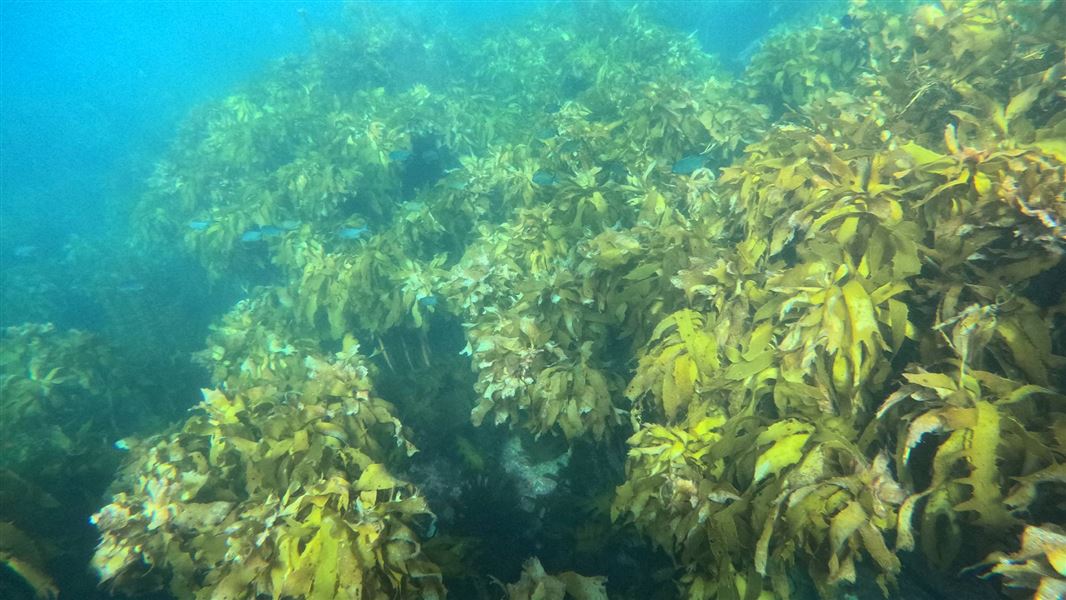
There are at least 13 different habitats included in the waters of this HPA ranging from exposed rocky reefs to the east of Slipper Island/Whakahau through to sheltered rocky shores to the west.
Seagrass meadows support a diverse range of species including juvenile snapper/tāmure. Other species include horse mussels/hururoa, scallops/tīpa, rock lobster/kōura and tuatua as well as sponges and soft corals.
The islands are an important breeding site for a range of seabirds.
The Hauraki Gulf Marine Park/Tīkapa Moana/Te Moananui-ā-Toi has a rich history of human settlement. It includes the earliest places settled by Māori.
The area has supported the physical and spiritual wellbeing of mana whenua for centuries. Mana whenua use tikanga/customs that care for and protect the environment when collecting kaimoana/seafood. Mana whenua is the iwi or hapū that has customary authority in an area.
Named Whakahau meaning ‘the windy place’, Slipper Island was a haven during storms and a stopover for waka/canoes travelling along the coast.
Tuokiokio was the last Rangatira (chief) of Whakahau. It is wāhi tapu/sacred place to the tribes of Ngāti Maru and Ngāti Hei. Pā sites, pits, terracing, midden and obsidian are all found on the Island.
Continuously occupied by Māori since the 13th century, Whakahau was farmed from the 1800s and is still a working farm today.
During his second voyage to New Zealand in 1728, Captain Cook sailed this coast and renamed Whakahau Slipper Island. Neighbouring Motuhoa was called Shoe Island, because Cook thought they resembled a slipper and a shoe.
Protection areas
These protection areas began in 2025. They were initiated from the Government response to the Sea Change – Tai Timu Tai Pari Hauraki Gulf Marine Spatial Plan. Sea Change was developed collaboratively by tangata whenua, environmental groups, and the fishing, aquaculture and agriculture sectors of the Hauraki Gulf between 2013 to 2017.
Help high protection areas
- No recreational or commercial fishing.
- No dumping or discharge of waste, sewage or litter.
- Take no more than a handful of shell, sand or driftwood.
- Anchoring is allowed.
- Certain Māori customary practices are allowed.
Some protection areas have exceptions to these rules.
DOC Customer Service Centre
| Phone: | 0800 275 362 |
| Email: | info@doc.govt.nz |
If you see any illegal or suspicious activity, contact the DOC emergency hotline 0800 DOC HOT (0800 362 468).