The autumn 2025 echo-survey of Lake Taupō was completed on April 2 and initial analysis has been completed. The survey data was calibrated using the most recent available calibration, so final results might differ slightly but the general patterns in geographical distribution and the overall conclusions are unlikely to change.
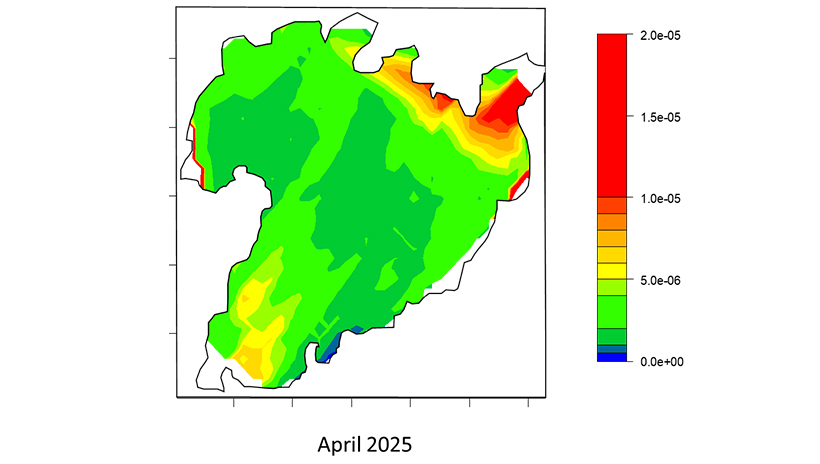
Figure 1. Back-scattering distribution in Lake Taupo, April 2025
Overall, lake productivity was very good (Figure 1), comparable to that observed in autumn 2024. However, the spatial distribution of productivity differed notably from the same period last year (Figure 2). The most productive areas were located in the northern end of the Lake Taupō, particularly in Okuta Bay (from Mine Point to Whakamoenga Point) and especially in Tapuaeharuru Bay. A clear productivity gradient was observed, increasing from a line between Waitahanui and Whakaipo Bay toward the northeast. Additional smaller productive zones were detected in Rotongaio Bay and Whanganui Bay on the lake’s western side.
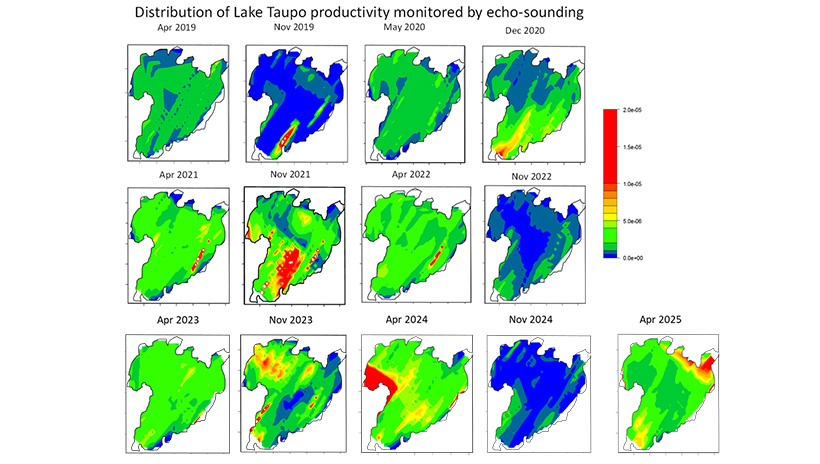
Figure 2. Distribution of the productivity of Lake Taupo between April 2019 and April 2025 estimated echo-sounding.
These findings suggest that any shoreline area of the lake has the potential to become highly productive, which is encouraging. This spatial variability provides a degree of resilience to the lake ecosystem should adverse conditions occur elsewhere.
Notably, Stump Bay continued to exhibit low productivity for the third consecutive year, beginning in 2022. The Delta area showed similar medium to high productivity levels to those recorded last year.
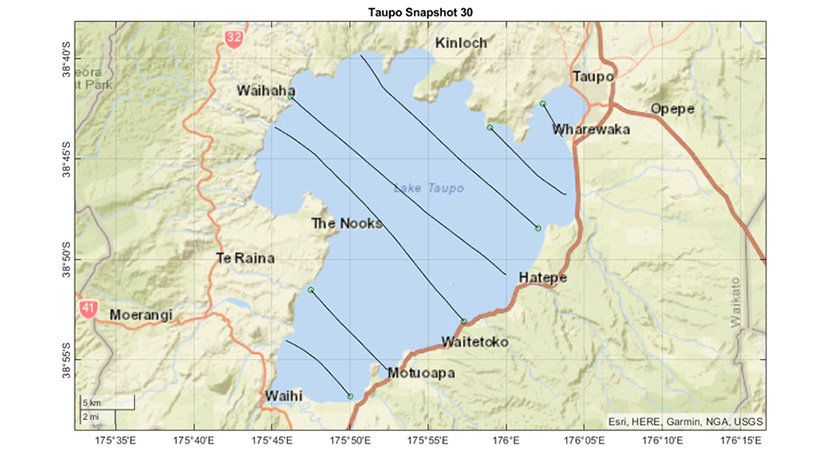
Figure 3. Location of the transects during the April 2025 Lake Taupo echo-survey.
The location of the transects surveyed is presented on Figure 3.
Given the lake’s productive conditions, we can reasonably expect that fish will have good access to food resources. This should be reflected in their condition, growth, and possibly abundance—although abundance may be more closely linked to conditions in the spawning tributaries prior to downstream migration into the lake.