What to do if you see three or more sick or dead birds
If you see three or more sick or dead wild birds in a group, report it immediately to Biosecurity New Zealand’s Exotic Pest and Disease Hotline on 0800 80 99 66.
Do not touch dead or sick birds or pick them up.
Do not take sick birds to DOC offices or wildlife rehabilitation centres.
How species were assessed
A panel of bird and veterinary experts reviewed all 80 threatened bird species in New Zealand. Each species was assessed against three key factors:
- How likely it is to be exposed to and infected by H5 bird flu.
- How severely an outbreak could affect the species' survival.
- Whether it would be practical and safe to vaccinate enough birds to help protect the population.
Factors such as population size, breeding behaviour, habitat, and the ability to safely capture birds for vaccination were considered.
What we are doing
Since the report was completed in 2024, we have developed our H5 bird flu vaccination plan, which has been approved by the Ministry for Primary Industries (MPI).
The risk assessment informed the vaccination plan, which has been approved for up to 30 threatened native species which are considered at high risk from H5 bird flu and are at risk of extinction if the virus has a significant impact.
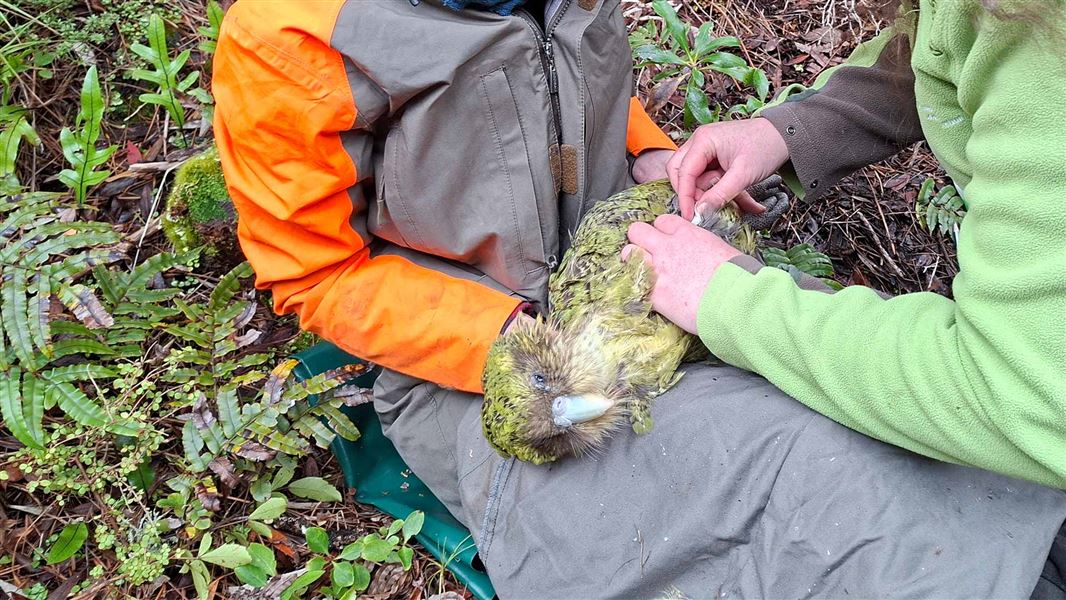
We are currently vaccinating core breeding populations of five of the most threatened bird species as part of tranche 1:
- kākāpō
- takahē
- tchūriwat’/tūturuatu/shore plover
- kakī/black stilt
- kākāriki karaka/orange-fronted parakeet
We are planning which species we will vaccinate in tranche 2. Before making final decisions, we’re talking with mana whenua and stakeholders, and continuing to assess the risk to those species as H5 bird flu spreads in New Zealand.
Species protection plans
The risk assessment has also informed the development of Species Protection Plans for 55 species considered most likely to benefit from additional actions and conservation support to mitigate the potential impact of H5 bird flu. These plans are still in development as we talk with mana whenua and stakeholders before making final decisions.
Vaccination is just one tool against the impact of H5 bird flu and has its limitations – vaccination logistics mean it is only being used to protect a small group of birds from each listed species as insurance against extinction. This will help ensure a breeding population of these birds is maintained.
The primary approach to protecting New Zealand's native species from H5 bird flu is through strong biosecurity practices to prevent spread of the virus, not disturbing wildlife and managing other threats with activities like habitat restoration and predator control to support resilience in species populations.