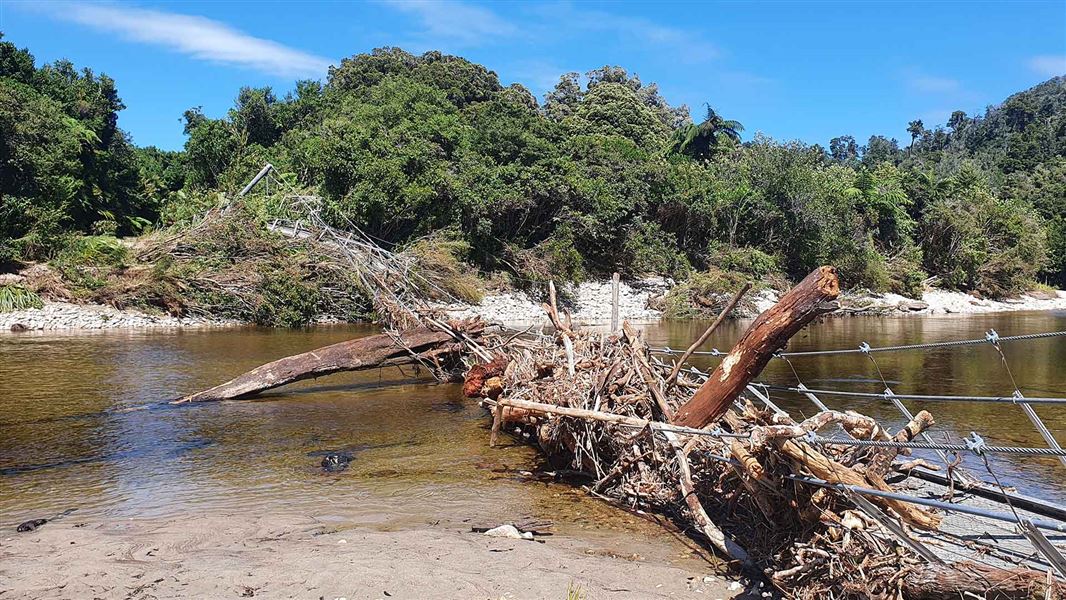
Climate change is affecting the wildlife and wild and historic places that DOC looks after, and these impacts are getting worse.
We have tough choices to make about how we invest in management of vulnerable species and maintaining tracks, huts, and other visitor facilities.
The Climate Change Adaptation Action Plan (CCAAP) focuses DOC’s efforts on a set of eight key actions over the next three years.
The scale of the challenge means we must be targeted in our approach and take the long-term view.
These eight actions have been chosen to help improve outcomes for:
- biodiversity
- cultural heritage
- visitor sites
- other DOC-managed assets.
Download the plan
Climate Change Adaptation Action Plan 2025-28 (PDF, 2,664K)
About the plan
The Climate Change Adaptation Action Plan sets out our approach to address climate change impacts and build resilience. We need think and act differently to adapt to climate change.

The 5 actions of the CCAAP
Image: | DOC
The CCAAP has eight key actions, under five themes.
Themes
- Prepare
- Assess
- Plan actions
- Implement actions
- Monitor and evaluate
Actions
- Aquire data
- Determine exposure to climate change hazards
- Access climate change impacts on biodiversity pressures
- Access climate change risk
- Set adaptation objectives
- Plan an embed work to reduce climate change risks
- Carry out work to reduce climate change risk
- Evaluate effectiveness of adaptation actions
Frameworks
The plan introduces two new climate change adaptation frameworks for DOC’s work.

The RAD framework
Image: | DOC
The Resist–Accept–Direct (RAD) framework for species and ecosystems focuses on managing the ecological impacts of climate change.
This framework has three approaches for managing change:
- Resist: Management actions intervene to mantain or restore the ecosystem or species based on historical or acceptable current-day conditions.
- Accept: Allow the ecosystem or species to drift away from current conditions on its own without intervening to alter the trajectory.
- Direct: Intervene to actively guide the ecosystem or species to a preferred state or configuration that is different from current conditions.
The Protect–Maintain–Retreat (PMR) framework helps us manage climate change risks to assets and cultural heritage sites.

The PMR framework
Image: | DOC
This framework sets out three possible objectives for managing hazards at a site:
- Protect: Reduce exposure or mitigate the ongoing future risk.
- Maintain: Keep the asset in the hazard zone at the current risk level, with no action to reduce risk.
- Retreat: Remove the asset or relocate from the hazard zone to avoid current and/or future risk.
New Zealand's climate is changing
Climate change threatens New Zealand’s unique natural landscapes and nature. It is a significant risk for DOC and already affects every aspect of our work.
As the climate continues to change over the coming decades, we expect:
- ongoing atmosphere and ocean warming
- increased fire risks
- more storm surges
- more extreme rainfall events
- longer droughts
- ocean acidification
- continued sea-level rise.
Direct effects include damage to infrastructure or habitat, for example, from rising sea level or more intense storm and flood events. Indirect effects include shifting habitats and species distributions, including the movement of potentially invasive species into new areas.
Changing climate conditions will also affect tourism distribution patterns and visitor risks in many locations used for outdoor recreation.
More information
- Adapting to climate change | Ministry for the Environment
- He Pou a Rangi – Climate Change Commission
- 2019 Climate Change Adaptation Action Plan (12,290K)
- 2022 Climate Change Adaptation Action Plan – action tables 2022–2025 (PDF, 1,279K)