Date: 25 March 2026
Alliance Group has signed a new two‑year contract to supply 5,000 kilograms of beef hearts per year to feed hungry chicks.
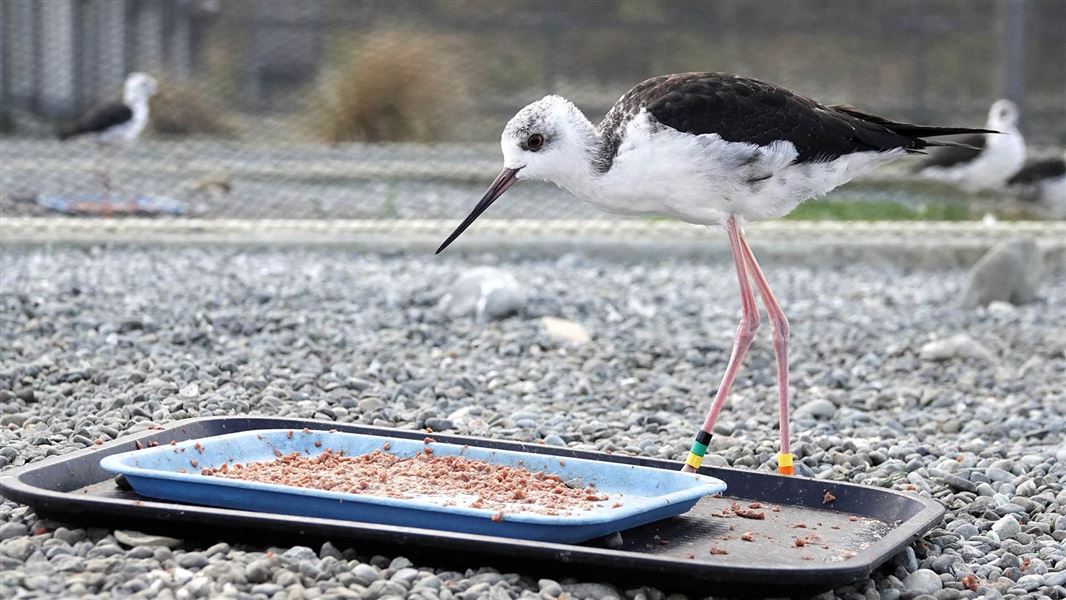
The hearts will feed juvenile kakī at the Department of Conservation’s captive breeding facility near Twizel in the Mackenzie basin until they are ready to be released at around eight or nine months old.
Department of Conservation Kakī Captive Breeding Project Lead Liz Brown says the chicks will also be fed the beef hearts for around six weeks after their release to supplement their diet and give them time to adjust to foraging for food in the wild.
“The hearts are a key component of the chicks’ diet and gives them the best chance of survival. They will be gobbled up with relish. The heart is a lean source of protein, and diet analysis has shown that with the addition of a few other mineral supplements, it’s an excellent replacement for their natural diet of freshwater invertebrates,” she says.
Alliance Group General Manager Safety and Processing Wayne Shaw says the company was pleased to be able to contribute to the recovery efforts for one of New Zealand’s most endangered birds.
“Feeding one of the world’s rarest birds is a long way from Alliance’s usual customers.
“Most of our beef, lamb and venison ends up on restaurant plates and family tables around the world, not in a breeding programme for endangered birds.
“These hearts go through a tightly controlled process to meet DOC’s exacting standards for the chicks. Knowing they’re helping lift kakī/black stilt numbers makes this work especially rewarding for the Alliance team.”
DOC’s Regional Partnerships and Investment Manager Christine Officer says the partnership with Alliance is an example of a business directly helping to save an endangered species.
“We love that Alliance is feeding these very special chicks. We are seeing more New Zealand businesses see the value of taking action for nature. Kiwis care about our endemic endangered species and really want them to survive,” she says.
The kakī were close to extinction with only 23 left in 1981. Their numbers have slowly increased to around 140 in the wild and they have the highest threat ranking of ‘nationally critical’. The distinctive wading bird used to be found throughout New Zealand, but now they are mainly found in the Mackenzie basin in the braided river systems.
There are currently 146 juvenile kakī spread between the DOC captive breeding facility in Twizel and at The Isaac Conservation and Wildlife Trust in Christchurch, with a planned release into the wild this August.
Liz Brown says one thing’s for sure, the chicks will be fighting fit for release with the beef hearts supplementing their diet.
NATURE LOOKS DIFFERENT FROM HERE
Nature isn’t scenery. Nature is a society that we rely on for everything, every day. It’s behind our identity and our way of life.
Contact
For media enquiries contact:
Email: media@doc.govt.nz