Date: 01 July 2026
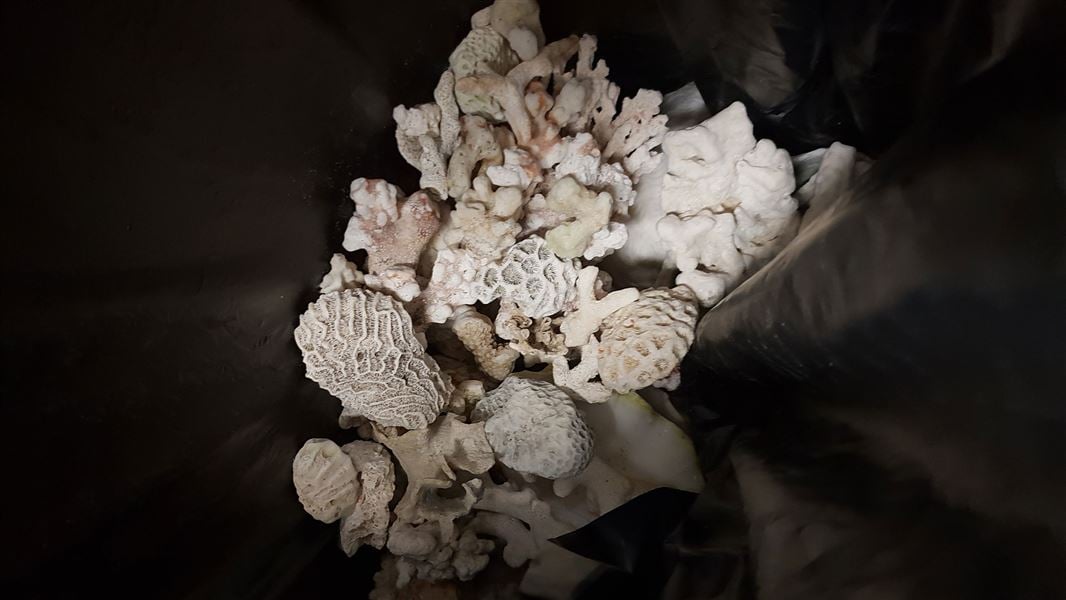
The volume of tropical species keepsakes seized over the last three and a half years would fill a standard 6-metre long shipping container. The coral seized in that period weighs 2.2 tonnes, while the clams amount add up to 2.4 tonnes – each lot weighing more than popular models of ute.
The corals and shells are seized as part of DOC’s obligations to the Convention for the International Trade in Endangered Species (CITES), a United Nations Convention that monitors and controls international travel of items containing protected animals and plants.
Many items from CITES-listed species need a CITES permit when they are transported across international borders. Ben Cornelius, DOC Border and Species Trade Manager, says CITES ensures the long-term survival of species is not threatened.
“Many eye-catching coral species are protected by CITES – and they’re often imported by people unaware they need a permit to bring the corals into the country,” says Ben. “CITES officers manually sort and weigh hundreds of these imports each week during the winter holiday season.
“Over the last few years, our corals and clams seizures have totalled more than 4.6 tonnes, and they have been brought into the country by more than 5000 people.”
Holidaymakers heading to tropical locations such as the Cook Islands, Fiji, Tonga, and Samoa during New Zealand’s winter school holidays regularly return with items made from CITES-protected species, including ever-popular clams and corals.
Much of the coral collected is dead white coral, picked up on beaches or purchased in markets. Many people importing these items don’t realise what they’re bringing in and are unaware of the relevant CITES protections.
“A lot of people think of coral as being alive and in the sea,” says Ben. “They don’t even recognise what they’ve bought or picked up as coral. But it’s still protected, and you can’t import it."
The corals and clams seized are held and then transferred to a commercial waste facility for deep burial.
“We understand many families want to bring back memories of their holidays, and we urge them to visit the CITES section of the DOC website to find out more about the permit process and how they can ensure their travel trinkets like coral and clam items can be enjoyed into the future,” says Ben.
“Ask yourself ‘are my goods all good?’, and if you’re not sure, check online.”
More information
DOC has an entire section of its website dedicated to CITES, and anyone planning on travelling overseas is urged to familiarise themselves with the CITES rules.
The Department carries out a range of outreach activities and publicity work to support its CITES responsibilities, which include regulating the export of threatened New Zealand species.
Every person, business and community has a role in protecting and restoring nature. The CITES agreement contributes to the protection of nature, especially threatened species.
New Zealand has one of the highest numbers of threatened species in the world – more than 4000 are threatened or at risk of extinction.
It’s not just a few unique species – 72% of Aotearoa’s birds, 84% of our plants, 88% of our fishes and 100% of our reptiles are only found in Aotearoa.
NATURE LOOKS DIFFERENT FROM HERE
Nature isn’t scenery. Nature is a society that we rely on for everything, every day. It’s behind our identity and our way of life.
Contact
For media enquiries contact:
Email: media@doc.govt.nz