Date: 26 March 2026
The traps use machine learning, a type of artificial intelligence, to recognise pest species and only trigger if a pest enters, making them far safer for curious native birds.
The use of these traps, a first for DOC, will make trapping along the Heaphy Track more efficient and effective,” says Programme Lead Jane Williams.
“These new traps will be much easier to maintain, needing only annual checkups rather than the monthly and four-monthly checks for the different types of existing traps. They can catch rats, stoats, and possums, versus the older versions which required separate traps for possums.
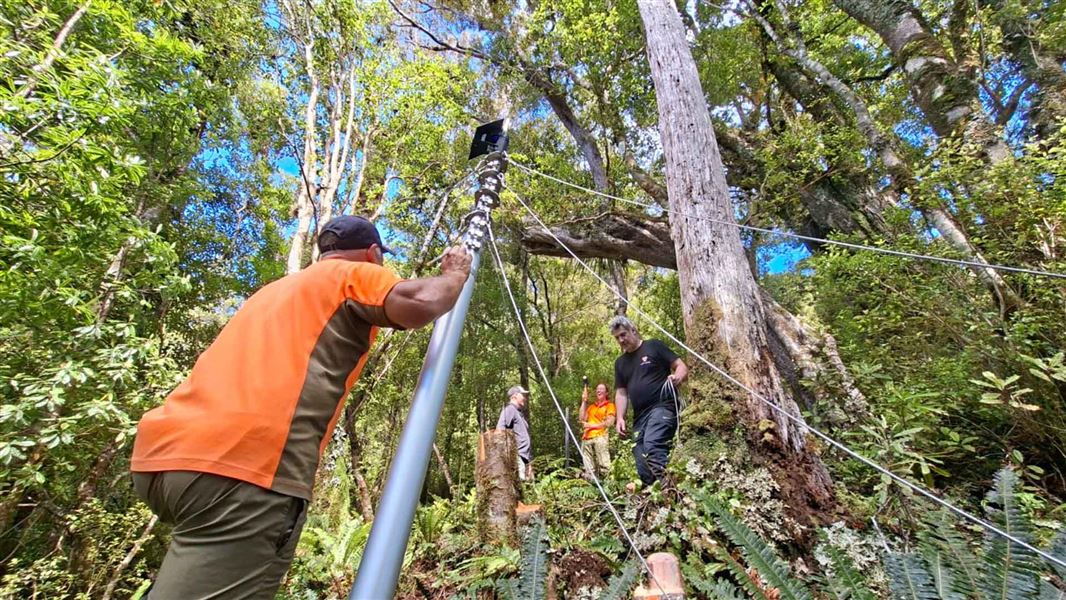
DOC is installing 35 traps around the Heaphy, Lewis and Mackay huts, while removing the existing traps. The traps will keep pests away from the huts between 1080 operations.
While the installation is a trial, hopes are high that the traps will make a real difference to predator numbers and the resources needed to manage them.
Jane says, “The new traps should help to keep numbers of predators very low, with less input required from rangers.”
“DOC will also place 40 traps around an area where two nationally critical Powelliphanta snail populations exist, which are highly susceptible to rat predation.
“With our sustained programme of predator control in the Heaphy, people out naturing on the track are already reporting seeing kiwi in the daytime on the track. We are very excited to see how the new traps work in our West Coast environment and what a continued reduction in predators might bring.”
The traps are funded through mining compensation paid to DOC from Bathurst Resources.
NATURE LOOKS DIFFERENT FROM HERE
Nature isn’t scenery. Nature is a society that we rely on for everything, every day. It’s behind our identity and our way of life.
Contact
For media enquiries contact:
Email: media@doc.govt.nz