Date: 18 December 2025
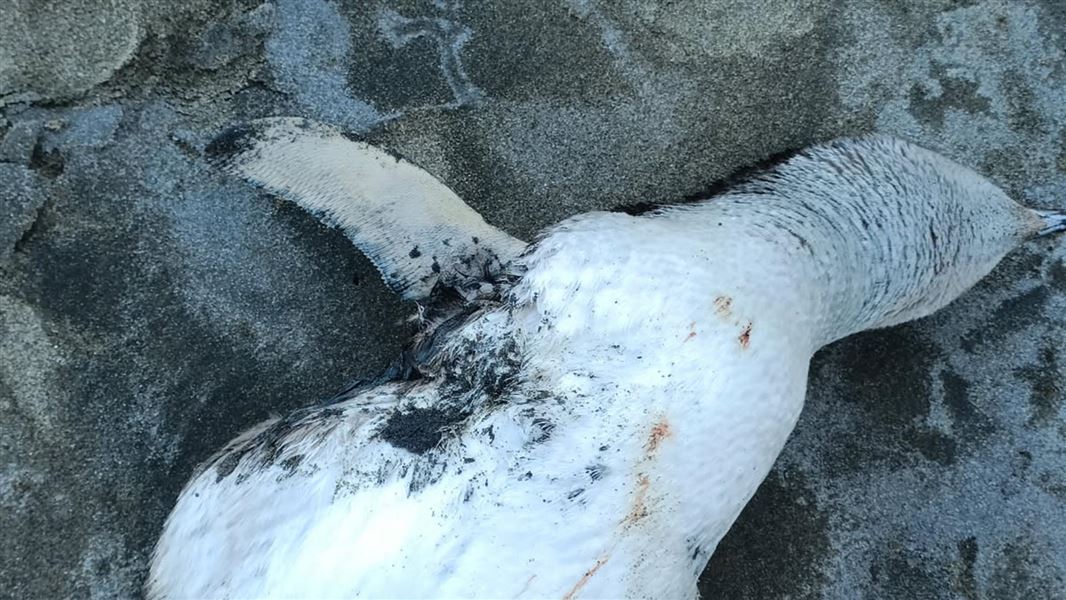
It’s a further blow to the species which is already at risk of becoming threatened due to a declining population.
The attacks on the birds have prompted mana whenua, conservation organisations, the Department of Conservation and Auckland Council to urge dog owners to keep their pets under control and well away from the rocky coastline, dunes, and pest-free islands where kororā are found.
The call for more care and vigilance for kororā follows a spate of dog attacks at Piha and Te Henga, where a seventh dead bird in a month was found on 13 December. In a separate incident on 7 December, a paddleboarder brought his dog illegally to Tiritiri Matangi island – a predator-free native wildlife sanctuary – where a penguin was found needing veterinary care just metres away on the beach.
Kororā are a protected species found on both the east and west coast of Auckland. There are colonies at Piha, Muriwai and Te Henga and on many Hauraki Gulf/Tīkapa Moana islands including Waiheke. They’ve been seen at popular beaches such as Big Manly and Omaha. Many stay ashore during the day through summer as they go through a moult.
Dr Rashi Parker, Fundraising Manager for BirdCare Aotearoa, a native wildlife hospital and rehabilitation centre, says dog-attacked kororā rescues typically occur during spring-summer.
“Those dogs were just displaying dog-like behaviours, but the owner’s actions led to incredible pain, distress, and often irreversible injuries for the tiny penguins.
“The kororā rushed to us from Tiritiri Matangi was showing torticollis, a painful neck twisting symptom, and we immediately administered pain relief.
“Torticollis often comes about from ‘ragging’ when dogs bite and shake their prey. Although our clinical team tried to stabilise the patient over several days, it was no longer able to swim properly, and had to be put to sleep.
“Healthy birds are around 25 cm tall, and 1 kg in weight. But, with all our admissions being underweight this year – likely starving – the last thing these little penguins need are large predators roaming through their shelters and nests.”
Edward Ashby, CEO of Te Kawerau Iwi Tiaki Trust, which have a close connection to both West Auckland and Tiritiri Matangi, is angry these attacks keep happening.
“Kororā are a taonga, and all New Zealanders have a duty of care as kaitiaki to look out for them. It’s part of our cultural capital to care for our environment and wildlife,” says Edward.
“The carelessness and entitlement of a reckless few put the wellbeing of these taonga at risk – at a time when we are facing a biodiversity crisis. It undermines all the hard work and resources of community groups, NGOs, Council, DOC and iwi.”
Auckland Council Manager of Animal Management Elly Waitoa says the bylaws which restrict dog walking in some areas and at certain times of the year protect wildlife.
“This is not optional; it isn’t just about bylaws; failure to control dogs and respect restricted areas puts vulnerable coastal wildlife at risk.
“Auckland Council’s Animal Management team will be patrolling the west coast beaches throughout summer and will issue infringements without hesitation to anyone who chooses to ignore the bylaws.”
DOC Principal Ranger Dave Wilson says the public can be DOC’s eyes and ears.
“We welcome reports from the public about dogs chasing or killing wildlife. If you see a dog on a pest-free island or interacting with coastal wildlife such as penguins or seals call 0800 DOC HOT (0800 362 468). If it is safe for you, please take photos of the behaviour, and of vehicles or boats to help us pursue leads.
“If anyone has information on the dog attacks at the northern end of Piha on Sunday 23 November, please come forward and quote the case file number: CLE-10612”
Tips to keep wildlife safe on beaches:
- Many coastal species rest or nest in sand dunes and around rocky areas – don’t let your dogs wander there.
- Only take your dog to beaches where dogs are permitted.
- Keep your dog on a leash or under tight control at all times.
- Don’t let the dog approach wildlife – this includes gulls and shorebirds who need space to rest, eat and raise young.
- Visually scan for wildlife on your walk.
- Bring a toy as a decoy.
- Let other dog owners know if you spot wildlife.
- Learn more on naturing with your dog here: dogs on beaches.
NATURE LOOKS DIFFERENT FROM HERE
Nature isn’t scenery. Nature is a society that we rely on for everything, every day. It’s behind our identity and our way of life.
Contact
For media enquiries contact:
Email: media@doc.govt.nz