A long-tailed batImage: Rod Morris | DOC
No, this one is true.
That's right.
A North Island brown kiwi eggImage: Peter Morrison | DOC
No, the answer is the black-eyed gecko.
Native to Aotearoa New Zealand, Archey’s frog is one of the few frogs in the world that hatches from an egg and skips the tadpole stage.
Black-eyed geckos, on the other hand, give birth to live young.
Correct.
Native to Aotearoa New Zealand, Archey’s frog is one of the few frogs in the world that hatches from an egg and skips the tadpole stage. Black-eyed geckos, on the other hand, give birth to live young.
Ngāokeoke/velvet wormImage: C Hibbert | DOC
Wrong. The answer is 13-16 pairs!
Correct!
CicadaImage: Dick Veitch | DOC
This one is false!
Female cicadas can’t sing, but they listen out for the best musician amongst the male cicadas to choose a mate.
Mountain stone wētāImage: Bruce McKinlay | DOC
That would be useful, but no, it's the ability to survive freezing cold.
In a storm, they can survive up to 82% of the water in their bodies freezing!
In a storm, mountain stone wētā can survive up to 82% of the water in their bodies freezing!
Long-tailed batImage: Chris Hillock | DOC
No, it's 60 km/h.
Yes indeed. 60 km/h is correct.
Welcome Flat HutImage: DOC
No, it's 950!
Don’t worry, you’re not likely to be sharing a hut with any of the creatures in this quiz.
Find out about all the places you can explore from our huts here.
Stay in a hut
Yes, 950 is correct!
Tussock butterflyImage: DOC
You're best to watch a documentary instead.
Leaving scraps out is more likely to attract pests than anything else! Getting educated is a great way to support nature – once we understand something, it is much easier to care for it.
Yep.
Powelliphanta snailImage: Rod Morris | DOC
Incorrect. They do eat worms spaghetti-style.
Alborn skinkImage: © James Reardon
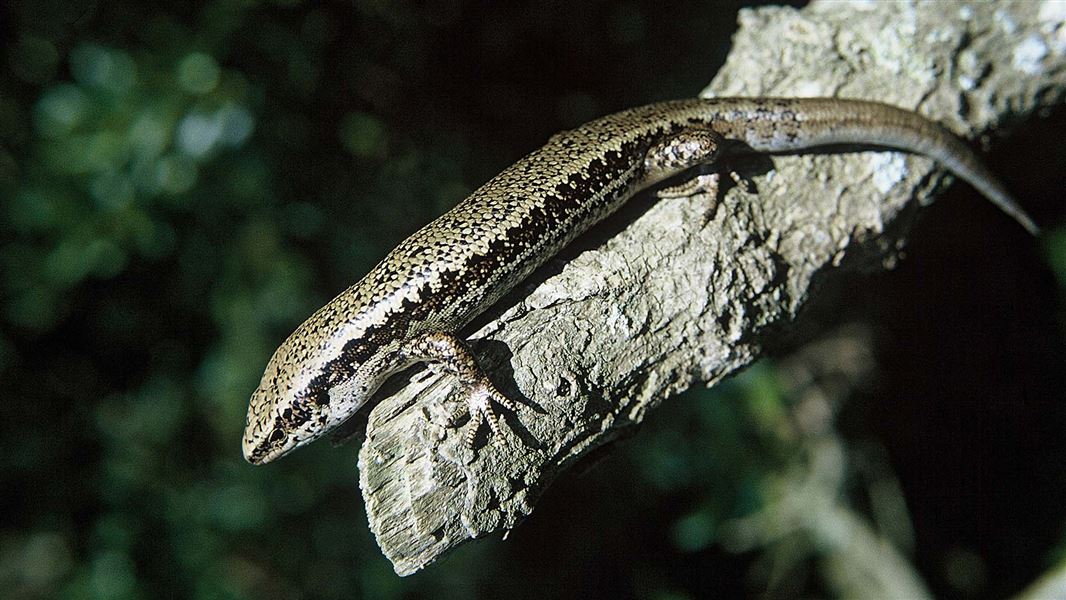
No. Alborn skinks were discovered only 35 years ago in 1990! With only 30 individuals estimated to be living today, significant work is needed to support the recovery of this species. You can find out more and make a donation here.
Alborn skink | NZ Nature Fund
That's right!
Alborn skinks were discovered only 35 years ago! With only 30 individuals estimated to be living today, significant work is needed to support the recovery of this species. You can find out more and make a donation here.