Tō mātou Komiti Amorangi
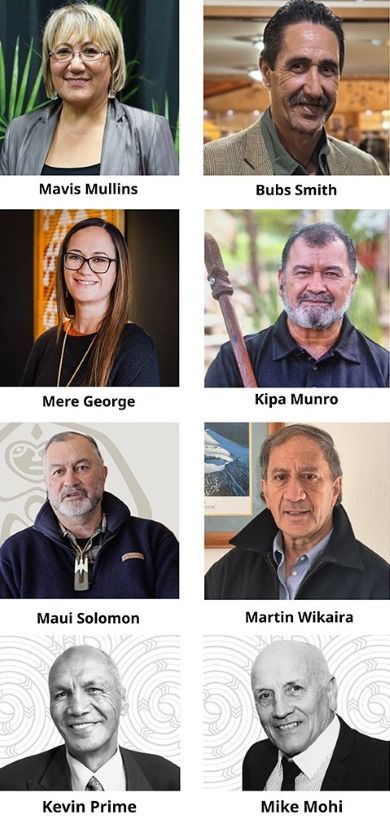
Amorangi are ministerially appointed iwi members. They provide oversight of our work and advise the Minister of Conservation on the use of the funds administered by Ngā Whenua Rāhui.
- Mavis Mullins: Rangitāne, Te Atihaunui a Pāpārangi, Ngāti Rangiui
- Bubs Smith: Ngāti Tūwharetoa
- Mere George: Ngāti Whare, Ngāti Manawa, Ngāti Porou, Ngāti Tūwharetoa
- Maui Solomon: Kai Tahu, Moriori
- Martin Wikaira: Ngāti Tūwharetoa, Te Hikutu ki Ngāpuhi Nui Tonu
- Kipa Munro: Ngāti Rēhia, Ngāti Kuri, Te Aupōuri
- Kevin Prime: Ngāti Hine - Life member
- Mike Mōhi: Ngāti Kahungunu, Ngāi Tūhoe - Honorary member
Ko te toto o te tangata he kai, ko te oranga o te tangata he whenua.
How the fund assists the landowner
Through a 25-year reviewable kawenata agreement between the landowner and the Minister of Conservation, the fund assists the landowner to:
- maintain tino rangatiratanga and tikanga
- develop and implement a plan to manage introduced pest plants and animals
- build landowner capability to manage activities on their whenua
- develop partnerships with external agencies.
Whenua Māori protected by a Ngā Whenua Rāhui kawenata becomes non-rateable.
This amendment in the Local Government Amendment Act, reduced the barriers for effective partnership between local government and Māori to support the development of whenua Māori.
Who can apply – Mā wai e tono?
Whenua Māori authorities (such as trusts and incorporations), organisations representing whānau, hapū or iwi, and Māori owners of General land can apply.
Applications must be made by the organisation or person who legally administers the whenua you are seeking to protect. For example, trustees, Committee of Management, directors or an individual Māori owner of General land.
Your eligibility
Being eligible is the first step. Your application will progress further if, in our assessment, your project clearly fits the fund criteria and aligns with the full assessment requirements.
- Legal authority. Have the legal authority to enter into an agreemeent to protect the whenua identified in your application
- Active governance. Have trustees or directors who meet regularly and meet their governance responsibilites.
- Trustee sign-off. Ensure all trustees are available to sign an agreement if your application is successful.
Fund criteria - Paearu pūtea
The fund is contestable therefore follows a comprehensive assessment process. Each application is considered against how well it meets specific criteria within each of the following categories:
- Representativeness – the extent to which the area you want to protect shows the variety of indigenous biodiversity that once existed in the landscape.
- Sustainability – the extent to which the area proposed for protection is likely to continue to be viable and evolve in a natural way in the long term.
- Cultural and Natural Heritage – the extent to which the area proposed for protection represents the cultural and natural heritage that resident whānau, hapū and iwi have associated with the whenua.
- Landscape Integrity – the extent to which the area proposed for protection contributes to and maintains the original integrity of the landscape.
If required, additional criteria may be applied to the assessment process:
- connectedness to other conservation work and neighbouring protected areas
- the level to which protection could reduce or remove imminent threats
- the opportunity for protection may not arise again
- the cost of protection versus the value of protection
- the degree to which protecting this whenua may limit the ability to protect other areas
If your application is approved and you have a signed agreement, the whenua will be surveyed and registered with Land Information NZ (LINZ).
Things that cannot be funded
- Administration costs: Preparing or submitting your application.
- General equipment: Buying gear without a confirmed project.
- Commercial use: Activities mainly focused on profit or timber harvesting.
- Retrospective costs: Anything paid for before you apply.
Forest ecosystem – Te oranga ngahere
Kawenata
Kawenata protect all layers of the ngahere together. Agreed activities within the kawenata help reduce browsing pressure, stabilise the soil, support taonga species and allow natural regeneration to continue. This keeps the forest functioning as a whole system and maintains the whakapapa of the whenua for future generations.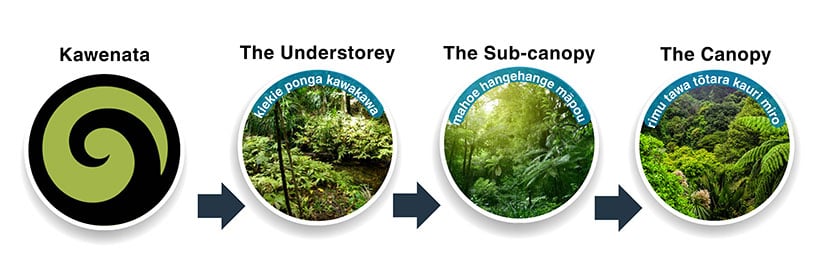
The Understorey
Ferns, mosses, shrubs and seedlings form the base of the ngahere to protect soil from drying and washing away, hold moisture and keep the forest cool, feed insects and birds, and provide shelter for new trees to establish. When possums, deer or goats strip this layer, the forest floor becomes bare. Seedlings die off, soil erodes and the whole system loses its ability to renew itself.
The Sub-canopy
The young trees and tall shrubs growing between the forest floor and the canopy provide nesting sites and safe cover for birds, supply fruit and nectar, and grow into the future canopy. When pests browse out this layer, the forest develops gaps. Older trees die with no replacements coming through, and the ngahere becomes thin and fragile.
The Canopy
Tall rākau like rimu, tōtara and tawa form the outer roof of the forest to regulate temperature and light, slow rain so the ground can absorb water, create leaf litter that feeds the soil, and provide food for birds that spread seed across the whenua. Canopy trees stand for generations, but they depend on the layers below. When the lower layers fail, the canopy becomes exposed and begins to decline.
Benefits
- Stable soil and reduced erosion
- Filtered wai and clean waterways
- Moisture held in the whenua
- Food and habitat for taonga species
- Natural regeneration of rākau
- Rich, healthy living soil
- Stabilised temperature and humidity
- Strong resilient ecosystem
More information: Follow our facebook page