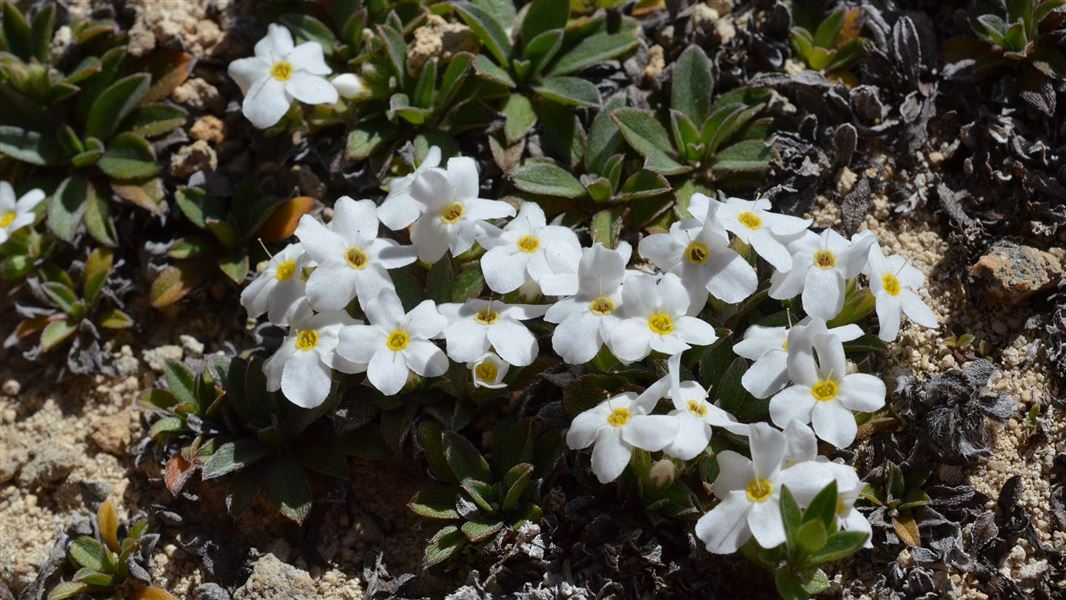
$9.2 million is available to support community-led projects protecting our most threatened species and ecosystems, delivering long-term benefits across public and private lands.
The DOC Community Fund is open for applications until 5 pm Thursday 30 April 2026.
How to apply
Before you start your application, read the guide for applicants as it contains important information on how to apply, the eligibility criteria, and how your project will be assessed.
Guide for applicants (PDF, 4,800K)
To apply, you will need to submit an application through our online portal, Enquire, before the closing date of the fund. The portal is accessed using a RealMe login. Late submissions cannot be accepted once the online form has closed and no offline applications will be accepted at any stage of the process.
You can use an existing Enquire account to apply or create a new one using the guidance below.
Creating an Enquire account (PDF, 1,589K)
Contact doccf@doc.govt.nz or call 0800 86 20 20 if you're having issues with accessing Enquire.
Who can apply
Community-led organisations such as iwi, hapū, whānau, community conservation groups, and NGOs can apply. Government departments and territorial authorities are not eligible.
To be eligible to apply, projects must:
- focus on protecting and restoring threatened species and/or threatened ecosystems
- have support from iwi, hapū or whānau
- seek a minimum of $150,000 for up to 3 years
- include a minimum contribution of 50% of in-kind and/or co-funding.
Meeting the eligibility criteria does not guarantee funding.
The DOC Community Fund is a contestable fund and is historically highly oversubscribed. Demand often exceeds funding available with less than 7% of projects who applied in the last round being funded (20 out of 291 applications).
Successful applications 2025: DOC Community Fund
Assessment
Eligible applications will be assessed on the following criteria:
- Benefits for the target threatened species/ecosystems and wider conservation benefits. Applicants must identify the key species or ecosystem their project is targeting. Applications will be assessed on the benefits for the target species/ecosystem. Considerations include the importance of the site, threat status, other threatened species/ecosystems the project is benefitting, feasibility of the methodology proposed, and the impact of the proposed activities.
- Project readiness, capacity and capability to deliver the project successfully and on time. Projects will be assessed on their ability to deliver (capability and capacity), and readiness to start (having all necessary authorisations and systems in place).
- Sustaining biodiversity benefits beyond the funding period. Projects providing a higher level of confidence biodiversity gains will be sustained beyond the funding period, including how they intend to fund any ongoing costs, are more likely to be successful.
- How the project will enable iwi/hapū/whānau to act as rangatira and kaitiaki. Projects enabling iwi/hapū/whānau rangatiratanga and kaitiakitanga are more likely to be successful.
- Iwi/hapū/whānau input into and support for the proposed activities. Projects will be assessed on the level of support received from iwi, hapū or whānau. We recommend engaging early with iwi/hapū/whānau as a proof of support for the project (letter, email) is required as part of the application process.
- Level of contribution towards the project (in-kind and/or co-funding). Projects will be assessed against their level of co-funding or in-kind contribution and must bring at least 50% of the total DOC Community Fund amount requested. For example, if $200,000 of funding is requested from the DOCCF, you must bring in at least $100,000 of co-funding and/or value in-kind. Guidance about in-kind contributions and how to calculate these is available within the Guide for Applicants.
- Community engagement and collaboration. Assessment includes the level of existing collaboration and how you plan to increase engagement with the local community.
Applications are limited to one per organisation or group. Applicants currently receiving funding through the DOC Community Fund are unlikely to be successful.
Start early to complete your application on time
Late submissions cannot be accepted once the online portal has closed. To help with the completion of your application within the timeframes set:
- Start your online application early and contact the Funds & Investment team if you have any questions or encounter any issues with the form – see contact details below.
- Kōrero with iwi, hapū or whānau might take time, so we recommend you engage early with your local iwi, hapū or whānau when seeking support for your project and proof of this.
- Ensure you submit your application well in advance of the closing time of the portal (5 pm on Thursday 30 April) to avoid any issues.
Next steps
5 pm on 30 April 2026 - Applications close
May/June 2026 – Assessment of applications
July/August 2026 – Funding decisions made
Useful information
- DOC Community Fund – Round 9 criteria (PDF, 545K)
- Guide for Applicants (PDF, 4,800K)
- You can find the conservation status of a species by searching the New Zealand Threat Classification System
- List of threatened ecosystems (PDF, 273K)
Contact
If you would like to keep up to date with the Fund, please join our mailing list. To join email doccf@doc.govt.nz with ‘subscribe’ in the subject line.
If you have any questions about the DOC Community Fund, contact the Funds Team:
Email: doccf@doc.govt.nz
Phone: 0800 86 20 20