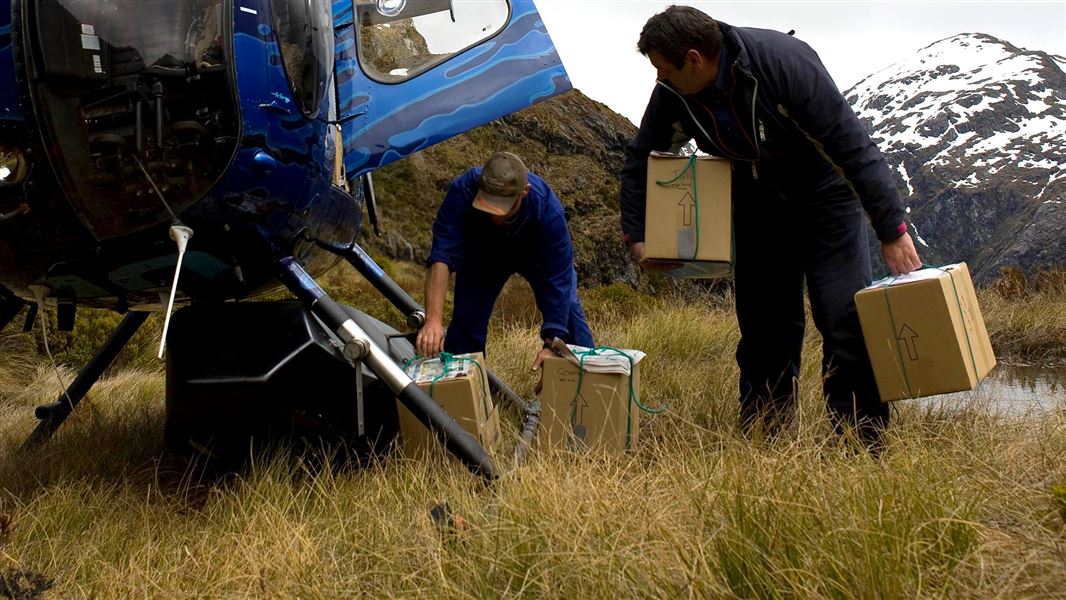
Translocation is the managed movement of live indigenous plants or animals (taonga) from one location to another. Translocation covers the entire process, including planning, the transfers, release, monitoring and post-release management.
A translocation can have one or more transfers. A transfer is the physical moving of the plant or animal from one location to another and its release.
Translocations are carried out:
- as a short or long term way to increase a species’ chance of survival or recovery - a translocation enables new populations to be established, existing populations to be enhanced, or locally extinct species to be re-established
- as part of a restoration programme
- to establish a species for a specific purpose such as advocacy, education or scientific study.
Find out what you need to do to make your translocation idea happen.
Translocation proposals show that every step of the translocation has been thought through carefully.
Forms and guides to help you prepare a translocation outline and proposal, and write transfer and monitoring reports.
Best practice techniques for the translocation of several bird species.
Work out the likely success of your species translocation, when you follow best practices and factor in genetic variability.
Learn about the phases, and what factors such as habitat connectivity, habitat size, and the level of predator control mean to the success of your translocation.