If you see three or more sick or dead wild birds in a group, report it immediately to Biosecurity New Zealand’s Exotic Pest and Disease Hotline on 0800 80 99 66.
Do not touch dead or sick birds or pick them up.
Do not take sick birds to DOC offices or wildlife rehabilitation centres.
Current situation
H5N1 clade 2.3.4.4b avian influenza (referred to as H5 bird flu) has been detected in New Zealand. There is no evidence of mass mortality in wildlife or poultry.
For the latest information visit:
- Avian influenza, HPAI, bird flu, risk to NZ | Ministry for Primary Industries
- Bird flu updates from DOC
What is H5 bird flu?
H5 bird flu (also called wildlife adapted highly pathogenic avian influenza H5N1 clade 2.3.4.4b or HPAI) is a highly pathogenic strain of avian influenza that has spread globally since 2020 and had a significant impact on wild birds and poultry.
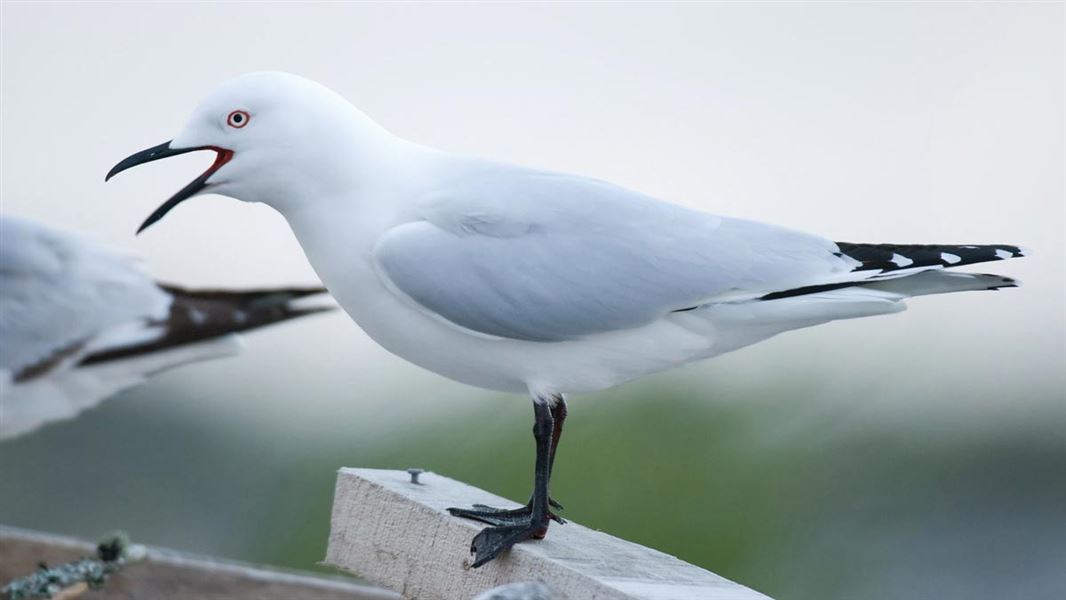
The wild birds that are most likely to be affected include waterfowl (ducks, geese and swans), shorebirds (godwits, stilts and plovers), and seabirds (gulls and terns).
The virus is spread through bodily fluids and droppings from infected animals. Predators and scavengers, such as birds of prey and seals, can become infected by coming into contact with sick birds or by eating them.
What we are doing
International experience has shown that a One Health approach (integrating human, animal and environmental aspects) to the current strain of H5 bird flu is essential. The Ministry for Primary Industries (MPI) is the lead agency and will coordinate the response to H5 bird flu in New Zealand in partnership with DOC, the Ministry of Health and Health New Zealand | Te Whatu Ora.
When H5 bird flu becomes widespread in wild populations, it will not be possible to eradicate it from wild birds. The immediate focus is surveillance, strong biosecurity, reducing human-assisted spread, protecting threatened species, and keeping people safe. DOC may restrict access or close areas during outbreaks to reduce stress on wildlife and reduce spread.
During outbreaks of H5 bird flu, people may see high numbers of dead birds. This can be upsetting and may pose an environmental hazard.
In some cases, removing dead birds can disturb birds that have survived, so leaving carcasses where they are may be the best option. In other situations, carcasses may need to be collected and disposed of to protect public health or reduce the risk to vulnerable species.
When carcasses need to be removed, we will do it under strict biosecurity protocols. Members of the public should not touch or handle sick or dead birds.
Vaccine trial
For a few species, using vaccination might be an effective tool during outbreaks to protect a core breeding population to prevent species extinction. It is not possible to vaccinate all our birds, but we can focus on those endangered species which are at risk of extinction and where the full two doses of vaccine can be given.
MPI manages use of HPAI vaccines, which are not commercially available in New Zealand. MPI granted approval for DOC to use the Poulvac Flufend RG vaccine in a controlled trial to test its safety and efficacy in a select number of endangered native birds. The vaccine contains inactivated (dead) virus that cannot cause a bird flu infection. It has been shown to be safe and effective in zoos in Europe.
The trial was limited to a small number of threatened native species in specified captive facilities. It was being carried out under strictly controlled conditions by DOC.
Five native species were selected for the vaccination trial, due to their critical conservation status and reliance on captive breeding for species survival: kakī/black stilt, takahē, kākāpō, tūturuatu/shore plover and red-crowned parakeet/kākāriki (as a surrogate species for kākāriki karaka/orange-fronted parakeet).
Assessing bird species for vaccination
The vaccine trial on five native bird species is now complete. This involved giving all the birds involved in the trial two doses of the vaccine one month apart, regular health assessments and blood tests of the trial birds to monitor their reactions and presence of antibodies.
None of the birds have shown any adverse reaction to the vaccine and all five species showed a strong initial antibody response to vaccination. Four of the species had a response which lasted for at least 6 months in most individuals, however in kakī the levels dropped at 3 months. Booster vaccination doses could be considered to extend the antibody levels if required.
These results show that the vaccine is effective and safe, and the vaccine could be a useful tool to protect some threatened species if HPAI arrived in New Zealand. It would need to be administered close to the time of arrival of HPAI to ensure the protection was recent and strong.
The DOC vaccine trial report is available to download.
Avian Influenza vaccine safety and efficacy trial in threatened species (PDF, 516K)
What you can do to help
We are asking everyone to:
- Avoid contact with sick or dead birds or any wildlife. If you must make contact, wear protective clothing and gloves, and wash your hands straight away.
- Report sickness or mass deaths of birds, fur seals or sea lions. Contact the MPI Exotic Pest and Disease Hotline on 0800 80 99 66 or online at report.mpi.govt.nz.
If you are somewhere without cell coverage, keep your distance, note the exact location, and take photos or video from a safe distance if you can. Report it as soon as you are back in coverage.
Biosecurity New Zealand will take details and an incursion investigator will be in contact with you. Follow any instructions for handling of sick or dead wildlife.
Identifying H5 bird flu early will help to protect our native species.
Other ways to help
You can take action now to support and protect our unique wildlife.
- Keep pets away from wildlife – Prevent cats from roaming freely. Always keep dogs on a leash, especially in areas with native wildlife.
- Avoid feeding backyard birds – It encourages birds to congregate together, putting them at increased risk of spreading diseases.
- Volunteer – Take part in habitat restoration activities to improve local habitats. Activities include revegetating, predator control, weeding or removing rubbish from local natural areas.
- Keep footwear and clothing clean – When visiting national parks, nature reserves or agricultural areas, keep shoes and clothes clean. This reduces the risk of disease spreading between places.
Further resources
- Report avian influenza (PDF, 733K) MPI
- High pathogenicity avian influenza and the risk to NZ MPI
- Avian influenza World Organisation for Animal Health
- Risk management for people working with wild birds World Organisation for Animal Health
- H5N1 bird flu: current situation Centers for Disease Control and Prevention
- Guideline for working with albatrosses and petrels (PDF, 156K) Agreement on the Conservation of Albatrosses and Petrels
- Scientific task force on avian influenza and wild birds statement on H5N1 High pathogenicity avian influenza in wild birds (PDF, 6,500K) Food and Agriculture Organisation of the United Nations
- Sub-Antarctic and Antarctic HPAI H5N1 Monitoring Project
- HPAI bird flu – DOC Presentation – September 2024 - video