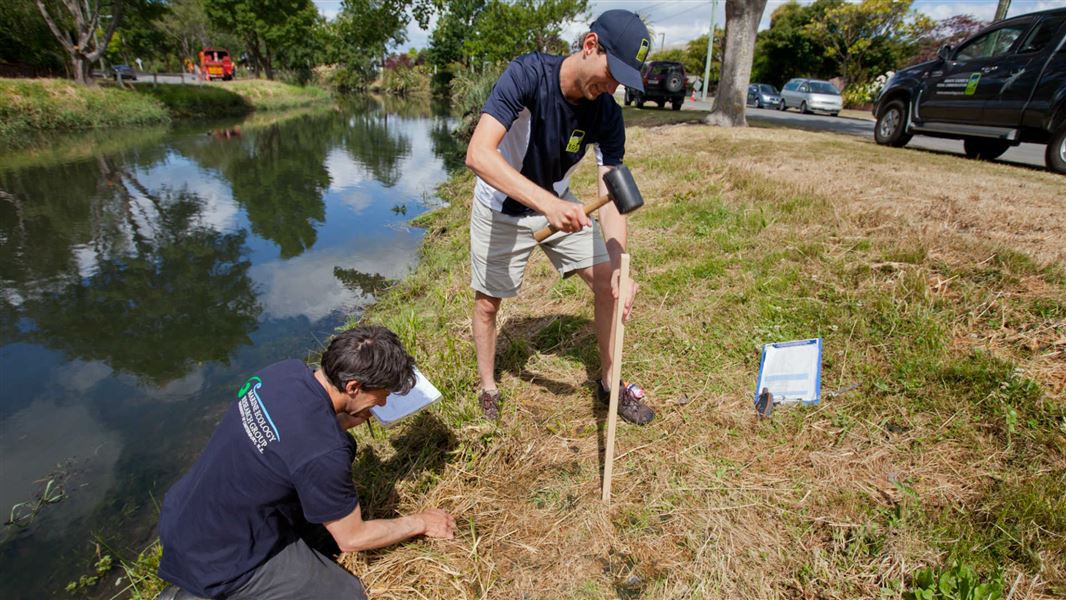
Why whitebait species are declining
Loss of habitat
Whitebait numbers are declining mostly because their habitats are being damaged or lost.
Adult whitebait need clean, healthy waterways to live and breed in. Over the last 100 years, large areas of adult and spawning habitat have disappeared because of:
- Wetland drainage and loss of streamside vegetation. Wetlands and streambanks provide shade and protection. When these areas are cleared, whitebait lose important places to hide and feed.
- Barriers to fish passage. Structures like dams and overhanging culverts stop whitebait from moving upstream to reach their habitats. Learn more about fish passage management.
- Too much sediment in waterways. Excess sediment fills the gaps between stones on the stream bed. This reduces habitat for freshwater invertebrates such as kōura (crayfish), which adult whitebait feed on.
- Pollution from land. Runoff carrying contaminants lowers water quality and harms all aquatic life, including whitebait species.
- Introduced and invasive plants. Weeds can overgrow streams and wetlands, choking the places where whitebait live.
Other pressures
Whitebait numbers are impacted by other pressures.
- Introduced pest animals. Migratory galaxiids lay their eggs beside streams and rivers at the base of grasses or higher up the banks. While the eggs are developing, rats and mice can find and eat them, which reduces the number of young fish that survive. Read more about how we’re protecting fish eggs from rats beside the Waipoua River in Northland: Rats snapped devouring eggs of threatened fish | Conservation blog.
- Introduced pest fish. Trout, and pest species such as gambusia, compete with whitebait for habitat and food. They also eat young whitebait, which reduces their numbers.
- Whitebait fishing. Whitebaiting adds extra pressure to already declining whitebait populations.
What you can do to help
There are many ways you can help increase whitebait populations:
All year-round
- Fence off waterways to keep farm animals out.
- Ensure culverts, weirs, dams, and floodgates on your land are fish-friendly.
- Join Whitebait Watch and help keep track of where whitebait hang out. Whitebait Watch · iNaturalist
- Learn from Mountains to Sea Conservation Trust how to restore whitebait spawning areas. Whitebait Connection | Mountains to Sea Conservation Trust
During the whitebait season (1 September to 30 October)
- Follow the whitebait fishing regulations.
- Keep your whitebait catch small – take only what you need for a feed.
- Whitebait in one river only and stop invasive species (didymo, gold clam, lindavia) spreading. Use the 'Check, Clean, Dry' method to reduce the chances of spreading freshwater pests. 'Check Clean Dry': help protect New Zealand's waterways | NZ Government
Autumn
- Plant natives along the edges of streams on your property.
- Trap for rats and mice beside waterways to protect fish eggs.
- Get involved in a local community project to fence and plant local streams.