Planning
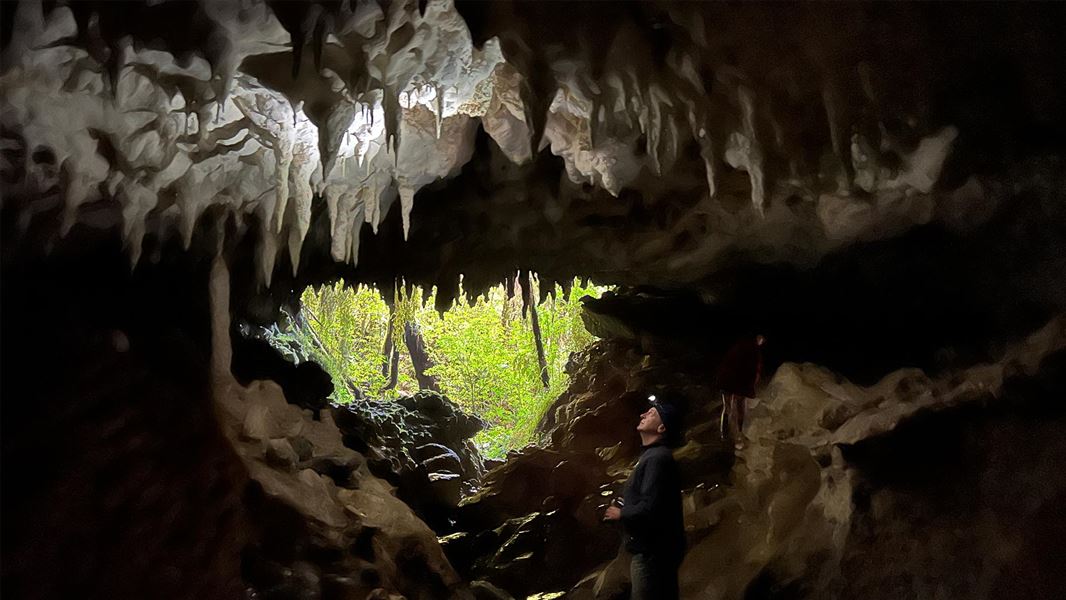
Every caving trip leaves a footprint, so before heading underground, take time to consider whether the trip is necessary. If you're visiting a cave for recreation, ask yourself whether a less fragile cave could be explored instead.
Think carefully about the purpose of the trip, the size and experience of the group, and the likelihood of causing damage. Good planning can prevent unnecessary impacts before they happen.
Where possible, the trip leader should have visited the cave before. Familiarity with the cave's sensitive features, layout and suitable anchor points helps reduce unnecessary exploration and minimises disturbance to the cave environment.
Note: some caves and karst areas have specific conservation or preservation classifications. These requirements exist to protect sensitive environments and must always be respected and followed.
Group safety and caving practices
Slow down and take your time. Moving carefully not only reduces the risk of damaging cave features, it also helps you notice and enjoy more of what's around you. This becomes even more important when you're tired and making your way back out of the cave.
Less experienced cavers should stay close to experienced members of the group who can provide help when needed, particularly in challenging sections. The pace of the trip should be set by the slowest person in the group.
Caving works best as a team activity. Help one another through obstacles and stay together whenever possible. Avoid splitting into separate groups unless doing so will reduce environmental impacts. Keeping your group small also helps reduce pressure on the cave, with four people generally considered an ideal group size.
Always be aware of where your head, hands and equipment are, and keep an eye on other members of the group as well. A quick warning can prevent accidental damage to fragile cave features. Keep caving packs as small as possible and avoid using them altogether in particularly sensitive caves or cave extensions. Wandering off unnecessarily should also be avoided.
Stay on marked routes to minimise impact
Where marked or obvious routes exist, stay on them. If there is no clearly defined route, establish one and encourage everyone in the group to follow it consistently.
Be mindful of where you place your hands and feet at all times. Even seemingly tough cave surfaces can be fragile and easily damaged.
If an area is showing signs of wear or degradation, stop and assess the situation carefully. An alternative route may be possible, but it should only be used if it causes less impact than the existing route.
If a better option is identified, report both the degradation and the proposed alternative to DOC.
Carry cave-marking materials and replace missing markers where needed. If sensitive areas are being damaged, consider temporarily marking them off and report the issue.
If you must walk on flowstone, remove any mud from your boots and clothing first. In some cases, the best decision is to turn back and return another time with more appropriate equipment.
Protect cave features
Many cave features are far more delicate than they appear. Learn to recognise deposits and formations that can be damaged by walking, crawling or accidental contact. These include drip holes, stream sediments, paleo soils, soil cones, crusts, flowstone, cave pearls, bone material, potential archaeological sites, cave fauna, coffee and cream formations, and tree roots.
Treat cave life with care and respect. Avoid disturbing cave-dwelling animals and the habitats they rely on, including features such as webs and other traps. Where possible, avoid shining lights directly onto cave fauna.
Hygiene and biosecurity
Cleaning your gear is an important part of responsible caving. Wash overalls and boots regularly to help prevent the spread of bacteria and fungi between cave systems and reduce the risk of contaminating sensitive cave environments.
Culural heritage, archaeology and bone material
Caves can contain significant cultural, archaeological and historical values. If bone material is found on an existing or proposed track, move it to a safer location away from the track if it can be done safely. Any collection of bone material should only take place with the appropriate permission.
Māori tapu associated with burial caves must always be respected. These caves should not be entered without permission. Human remains, artefacts and any other objects found in these locations must be left untouched and undisturbed. Photographs should only be taken when permission has been obtained beforehand.
Food and waste management
Food scraps can have unexpected impacts on cave ecosystems, so take care not to drop crumbs or other food fragments while eating underground. One simple solution is to eat over a plastic bag that can catch food particles and be packed out afterwards.
Everything you bring into a cave should leave with you. This includes all rubbish, food waste and human waste. For longer trips, plan ahead by carrying suitable containers for both liquid and solid waste. Human waste should be removed in a cylinder or another appropriate container.
Before leaving, check that all equipment and rubbish has been removed. Camping in caves should be avoided.
Rigging and anchors
When using artificial anchors such as traces, tapes or ropes, take every possible step to protect the anchor site from damage. Frequently used natural anchors, particularly trees, should be protected with materials such as carpet, packs or cloth to reduce wear.
Bolts should only be considered as a last resort and only where suitable natural anchors are not available.
More information
If you're new to caving or want to build your skills, consider joining a local caving club through the New Zealand Speleological Society. Membership provides opportunities for training, advice, support and the development of safe, responsible caving practices.
- New Zealand Speleological Society – join a local caving club and get training and advice