Date: 25 November 2026
Conservation programmes in native forest sanctuaries in the Hawke's Bay, Wairarapa, and Wellington regions have enabled these intelligent and curious birds to begin thriving again in areas they were once common.
The Department of Conservation has recently produced an e-brochure to help people understand how to share their spaces harmoniously with their new feathered neighbours, while ensuring the birds stay wild and healthy.
“Kākā are amazing birds,” says Alice Heather, DOC Operations Director for the Lower North Island. “We’re really keen to ensure they can continue to safely thrive alongside us in our neighbourhoods.
“The brochure has guidance and suggestions to help everyday New Zealanders protect and enjoy kākā in a way that works for everyone, birds and people alike.
“We also encourage people to report kākā sightings, especially if leg bands can be seen. These help us identify birds and monitor their travel and survival.
"The key tip is to avoid feeding kākā, as this is bad for their health, and encourages them to hang around areas where they may end up damaging trees and property.”
The e-brochure, ‘Kākā in the neighbourhood – a taonga returning home’, is available from the DOC website. Sightings of kākā can be reported via email to bandingoffice@doc.govt.nz, noting the location, time, and any other relevant information.
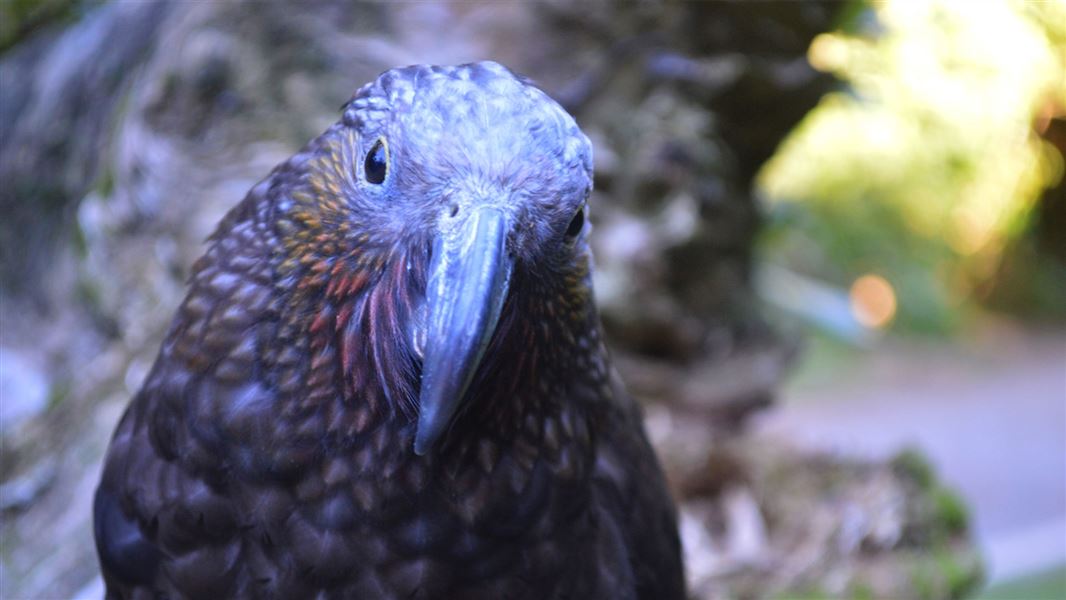
Kākā are large native parrots with olive-brown feathers, grey-white colouring around their head, yellow highlights near their eyes and beak, and bright orange-red feathers on their belly and underwings. North Island kākā are considered ‘At Risk - Recovering’ under the New Zealand Threat Classification system.
NATURE LOOKS DIFFERENT FROM HERE
Nature isn’t scenery. Nature is a society that we rely on for everything, every day. It’s behind our identity and our way of life.
Contact
For media enquiries contact:
Email: media@doc.govt.nz