Date: 17 July 2026 Source: Office of the Minister of Conservation, Office of the Minister of Biosecurity
“While it’s disappointing to find a native bird with H5 bird flu, it’s not unexpected following the confirmation earlier this week of our first case in a single brown skua seabird found at Petone Beach,” says Mr Hoggard. “There has been no detection in poultry.”
“The find shows our continuous bird flu surveillance and testing programme is working well, and as a result, we will step up our actions in response to bird flu in close co-ordination with our industry partners and others.”
Mr Hoggard said that work would include:
- Extra checking of birds at selected sites in the Wairarapa over coming days.
- Alongside industry, MPI will offer one-on-one support and advice to poultry and egg operations in Wellington and the Wairarapa.
- Establishing a technical advisory group of expert scientists to supplement advice from MPI’s internationally recognised experts.
- The Department of Conservation continues its vaccination programme for 300 core breeding birds from five of our most endangered birds - kākāpō, takahē, tūturuatu/shore plover, kakī/black stilt and kākāriki karaka/orange-fronted parakeet.
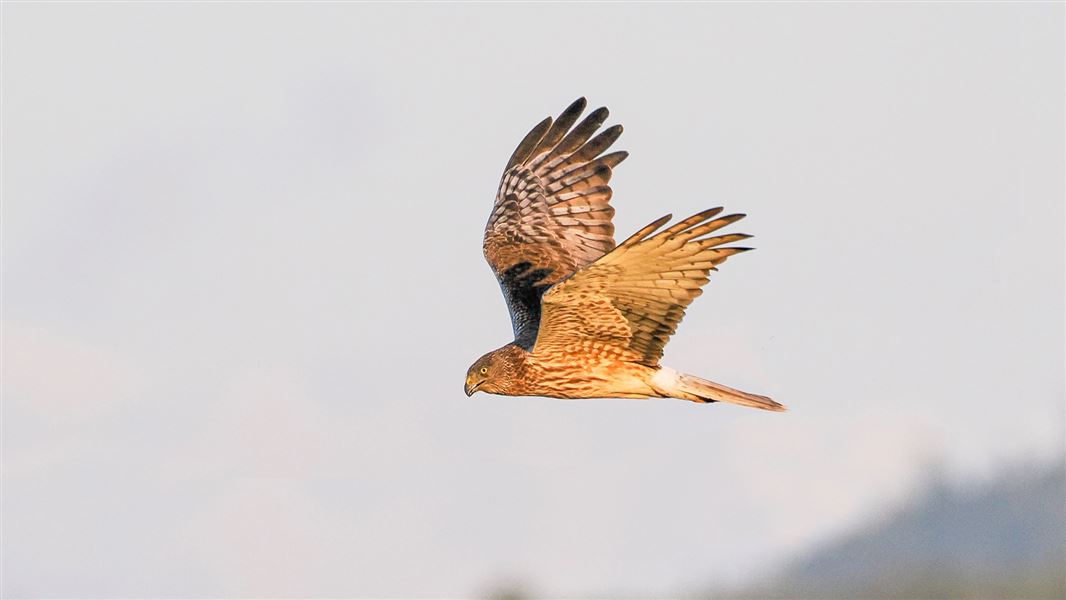
“This hawk can go out to the coast - especially in winter to hunt. Hawks can get bird flu by hunting, eating, or scavenging infected birds,” says Mr Hoggard.
“It’s important we continue to work closely with the egg and poultry industry as we have over the past several years preparing for bird flu’s arrival. On-site biosecurity plans and measures are very important for chicken and egg producers, and we will up our work alongside sector groups to provide support and advice.
“While it’s an individual decision for businesses, we support free range farmers taking precautionary action to protect their birds by temporarily housing them while we continue to gather more information about the spread of H5 bird flu.
“We will have to learn to live with bird flu as it cannot be eradicated, and overseas experience shows strong biosecurity measures on-farm help.”
Chicken and eggs remain safe to eat and bird flu is a very low risk to human health.
“Most countries do not have a surveillance programme like ours and its value has been highlighted in the past week. We will continue to test birds so we can closely monitor what is happening and keep people updated.
“I thank the public who have responded well to our call for notifications in the past week, and I remind New Zealanders to be alert and follow advice about reporting sick or dead birds. It is vital that people do not touch or handle unwell birds,” Mr Hoggard says.
Conservation Minister Tama Potaka says the Department of Conservation Te Papa Atawhai (DOC) activated its wildlife response, working alongside MPI, Iwi, conservation partners, and wildlife facilities, as soon as the first case of H5N1 bird flu was detected in Australia.
“DOC has been preparing for the arrival of bird flu for several years, with a focus on minimising the impact to wildlife populations on public conservation land through strong biosecurity practices, surveillance, and action to support the health and resilience of threatened native birds.
“The vaccination programme for some of our most endangered birds is progressing well. So far, 67 birds from six species or populations have received their first vaccination, with further vaccinations and booster doses continuing over the coming weeks.
“As of last night, MPI’s Chief Veterinary Officer approved the second tranche of DOC’s vaccination response. This approval gives DOC the ability to extend vaccination to further priority species and populations where it will provide the greatest protection.
“A final list of species has deliberately not been fixed. This gives DOC the flexibility to respond to new detections, emerging risks, and what our experts are seeing on the ground as we build a clearer understanding of how the virus may affect New Zealand’s wildlife.
“Vaccination is one part of DOC’s wider response. Staff are continuing surveillance, strengthening biosecurity measures, supporting wildlife facilities, working with Iwi and conservation partners, and preparing to act quickly if further cases are identified.
“DOC teams will continue working hard to protect our most vulnerable native species and support the wider MPI-led response.”
What people can do
If you see three or more sick or dead wild birds in a group, report it immediately to the exotic pest and disease hotline on 0800 80 99 66 from anywhere in New Zealand or online at report.mpi.govt.nz.
If you report online, select the ‘dead or dying wild birds’ option from the dropdown list and then the type of bird you have found.
Don’t handle or move the birds. Go to www.mpi.govt.nz/bird-flu to find out more.
Provide as much detail as you can, including:
- common name or species of sick or dead bird if known
- how many are sick or freshly dead, and the total number of birds present
- a GPS reading or other precise location information
- photographs and videos of sick and dead birds
MPI will contact notifiers if more information is required.
More information about H5 bird flu and the work New Zealand is doing to prepare is available at mpi.govt.nz/hpai.
Contact
For media enquiries contact:
Email: media@doc.govt.nz