Date: 03 July 2026
The timing is perfect to get the kids started on the annual Garden Birds Survey, with just two days left before it finishes on Sunday 5 July. It’s low effort, high reward – just look and listen for birds in your backyard for one hour.
Wellington’s Dave Allen, DOC Programme Lead Natural Capital, says winter is a busy time for birds.
“I’m sure many Wellington folk hear birds making quite a racket in the morning, and kids may be transfixed listening to and seeing birds in their own gardens,” says Dave. “It’s one of the best times to experience birds in your backyard, as they’re busy sheltering from winter weather and foraging for food.
Dave says Wellington is a great place for bird watching, right on your back doorstep.
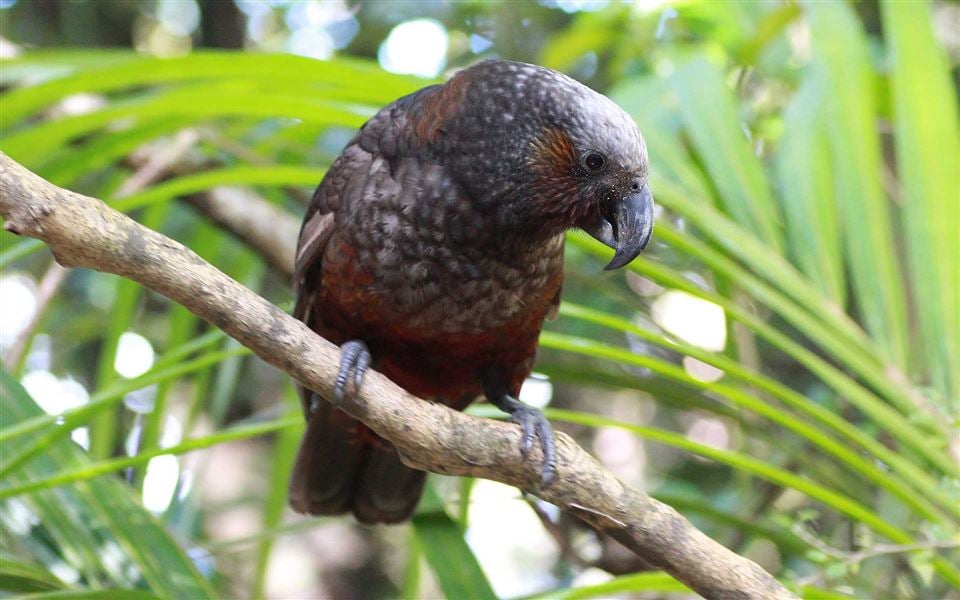
“Children in Wellington get to experience native birds like kākā and kererū in their neighbourhoods and while they’re out naturing with friends and family. It’s something that might seem impossible to Gen Xers and Baby Boomers just a few decades ago.
“All over Wellington, you’re likely to see kererū, especially as Matariki is when we see them gorging on berries. They’ll sit on the ground, not moving, but that’s okay – they’re just a bit tipsy. People are also likely to see grey warblers, and the volume of their song is surprisingly loud for such a tiny bird.
“Tūī are everywhere at this time, and korimako/bellbird are becoming more common. Kākā are noisy and boisterous all year round, but they’re definitely still flying around in winter.
“And for people on the western skyline of Wellington, this time of year can be a real treat; they’ll hopefully see and hear their local kiwi emerging from the bush and into people’s back gardens.”
“The Capital’s huge array of birdlife can inspire kids to get interested in the amazing nature in our own backyards,and encourage more birds into them.”
Becoming a citizen scientist is a great way for kids to be engaged in naturing and ensure these precious gains in native bird population aren’t lost in the future. DOC is encouraging kids and their families to Share what you see when out in nature.
The easiest way to share a sighting of a bird or indeed any species – plant, animal or fungi – is to join iNaturalist NZ – Mātaki Taiao. Kids will love to know that scientists rely on this information for their work, and it’ll get them out the house.
The annual New Zealand Garden Bird Survey, run by the Bioeconomy Science Institute Maiangi Taiao, is New Zealand’s longest-running citizen science project, and can give kids a taste for birding. This involves counting birds in your garden or local area to help gather data for science and conservation, and is for everyone around the motu, no matter your age or where you live.
Building a haven for birds can occupy kids for the entire holiday. It’s planting season anyway, so kids can help by planting native trees to provide birds with food and shelter, by setting traps to protect birds from predators, or they could Create a backyard bird sanctuary.
Dave says Wellingtonians have a rare privilege having so many native birds in the city.
“Birds that seemed to be on their way out a few decades ago are now part of the landscape thanks to heroic, collective conservation efforts. Getting kids interested and engaged with native birds will help to ensure they survive and thrive in Wellington.”
NATURE LOOKS DIFFERENT FROM HERE
Nature isn’t scenery. Nature is a society that we rely on for everything, every day. It’s behind our identity and our way of life.
Contact
For media enquiries contact:
Email: media@doc.govt.nz