Dense forest with light rays highlighted by fog
Predator Free landscape projects
Large landscape predator control and eradication projects across New Zealand.

Predator Free Pēwhairangi Whānui (Bay of Islands)

Predator Free Pēwhairangi Whānui spans across three peninsulas in the Bay of Islands and supports four diverse projects that are working towards making their respective areas predator free.

These three peninsulas are Purerua-Mataroa, Russell/Kororāreka and Cape Brett/Rakaumangamanga.

Launched: 19 July 2021
Project lead: Northland Regional Council
Māori partners: Multiple groups
Collaborators: Ngāti Rēhia, Ngāti Torēhina, Ngāti Kuta, Patukeha, Russell Landcare Trust, Kiwi Coast, Manaaki Whenua, Department of Conservation and Northland Regional Council.

Predator Free Pēwhairangi Whānui website

Predator Free Whangārei

Predator Free Whangārei aims to protect, restore and enhance thousands of hectares of Northland’s native forests, coastal habitats and wetlands, allowing for greater protection and enhancement of threatened species of native fauna and flora.

It is a collaborative project which builds on decades of dedicated and successful community predator control.

Launched: 10 July 2020
Project lead: Northland Regional Council
Collaborators: Northland Regional Council, Whangārei District Council, Kiwi Coast, Department of Conservation and community conservation groups.

Predator Free Whangārei website

Pest Free Kawau (Kawau Island)

Predator Free Kawau is a partnership between Ngāti Manuhiri Settlement Trust, Auckland Council and the Department of Conservation.

The project assists community conservation group efforts to eradicate wallabies and possums (followed by rodents and mustelids) from Kawau Island in a two-stage approach.

Project lead: Auckland Council
Māori partners: Ngāti Manuhiri
Collaborators: The Pohutukawa Trust, Department of Conservation and others.

Predator Free Kawau Island website

Poipoia te Kākano (Kaipara)

The Poipoia te Kākano project is an initiative led by Environs Te Uri o Hau, focused on preserving the Kaipara Harbour’s ecological integrity. 

The long-term plan for Poipoia te Kākano is to eradicate possums, stoats, rats and pigs from 105,000 hectare on five peninsulas in the Kaipara Moana. The five peninsulas are Hukatere, Okahukura, Puketotara, Pouto (North Head) and Te Korowai o Tonga (South Head) peninsulas.

Launched: 2 August 2021
Project lead: Local iwi and hapū
Collaborators: The Project was initiated by the Integrated Kaipara Harbour Management Group (IKHMG) in partnership with Ngā Maunga Whakahii, Te Uri o Hau, Te Roroa, Landcare, community groups, Auckland Council, Northland Regional Council and the Department of Conservation. 

Poipoia te Kākano website

Te Korowai o Waiheke (Waiheke Island)

Te Korowai o Waiheke is a charitable trust established by the community to eradicate predators and make Waiheke the world’s first predator free urban island.

Stoat eradication has been taking place across the island and is now being followed by trials to determine if island-wide rat eradication is feasible.

Launched: 16 September 2018
Project lead: Te Korowai o Waiheke Trust
Māori partners: Ngāti Paoa
Collaborators: Auckland Council, Foundation North, Department of Conservation, Hauraki Gulf Conservation Trust, Hauraki Gulf Islands Forest and Bird, QEII National Trust covenant landowners, Waiheke Rat Busters, Waiheke Resources Trust and the Waiheke Collective.

Te Korowai o Waiheke website

Tū Mai Taonga (Aotea/Great Barrier Island)

The Tū Mai Taonga project is building an island-based conservation workforce that will trial new methodologies and tools to remove rats and feral cats at landscape scale from Aotea/Great Barrier Island.

Ecologically, the island has a head start because it is free from possums, mustelids and Norway rats, but ship rats, kiore and feral cats are having a devastating impact on its unique fauna.

Launched: 1 June 2021
Project lead: Ngāti Rehua Ngātiwai ki Aotea Trust
Māori partners: Ngāti Rehua Ngātiwai ki Aotea
Collaborators: Aotea Conservation Park Advisory Committee, Aotea Great Barrier Environmental Trust, Aotea Great Barrier Island Local Board, Auckland Council, Department of Conservation, Glenfern and Kotuku Peninsula Trust, Kawa Marae, Motairehe Marae, Motu Kaikoura Trust, Okiwi Community Ecology Project, Windy Hill Sanctuary and Rosalie Bay Catchment Trust, landowners and residents around the motu.

Tū Mai Taonga website

Korehāhā Whakahau (Whakatāne)

Te Rūnanga o Ngāti Awa’s Korehāhā Whakahau project aims to remove possums from a 4,700 hectare area around Whākatane, while creating jobs and building iwi capacity.

The project will apply methodologies in an area bordered by the Whakatāne River, Ōhope beach and the Ōhiwa harbour, including private, public and Ngāti Awa owned land.

Launched: 27 June 2020
Project lead: Te Rūnanga o Ngāti Awa
Collaborators: Provincial Growth Fund, Department of Conservation, Ngāti Awa Group Holdings.

Korehāhā Whakahau website

Taranaki Taku Tūranga: Towards Predator-Free Taranaki

Taranaki Taku Tūranga: Towards Predator-Free Taranaki is a large-scale project aimed at restoring Taranaki’s unique wildlife and plants, while also protecting the region’s lifestyles and livelihoods, by removing introduced predators.

The project has three main parts: the Zero Possum eradication project in Kaitake, a region-wide rural programme targeting mustelids and an urban initiative targeting rats and possums.

Launched: 18 May 2018
Project lead: Taranaki Regional Council
Māori partners: Ngāti Mutunga, Ngāti Maru, Ngāti Ruanui, Taranaki, Te Ātiawa, Ngaa Rauru, Ngāruahine, Ngāti Tama.
Collaborators: Wild for Taranaki, Taranaki Mounga Project, New Plymouth District Council, Stratford District Council, South Taranaki District Council, Federated Farmers, Department of Conservation, Manaaki Whenua/ Landcare Research, Zero Invasive Predators.

Predator-Free Taranaki website

Predator Free Hawke’s Bay

Predator Free Hawke’s Bay launched in July 2018 and, in the first phase, aimed to remove possums from the Māhia Peninsula.

It includes a focus on new techniques for rat control in fragmented bush areas, to secure biodiversity and conservation benefits.

Launched: 2 July 2018
Project lead: Hawke’s Bay Regional Council
Māori partners: Ngāti Kahungungu iwi, Rongomaiwahine iwi, Maungaharuru Tangitū Trust, Ngāti Pāhuwhera Development Trust, Te Kōpere o te iwi o Hineuru Trust, Ngāti Hineuru, Ngāti Pārau Hapū Trust, Waiohiki and Wharerangi Marae.
Collaborators: Department of Conservation, Manaaki Whenua/Landcare Research, Biological Heritage National Science Challenge, Aotearoa Foundation, Biodiversity Hawke’s Bay, Whangawehi Catchment Management Group.

Predator Free Hawke's Bay website

Predator Free Wellington

Predator Free Wellington is aiming to be the world’s first predator free capital city. A phased urban approach has taken place on the Miramar peninsula and the project is now moving into neighbouring suburbs.

The plan over the next ten years is to continue into the CBD, east, and north to the boundary with Porirua.

Launched: 8 August 2018
Project lead: Predator Free Wellington Ltd
Māori partners: Ngāti Toa Rangatira and Taranaki Whanui
Collaborators: Wellington Airport, Zealandia, Papa Taiao, Victoria University, Manaaki Whenua, Department of Conservation, 32 backyard trapping groups active across 44 suburbs and 32 schools participating in the pilot schools programme. 

Predator Free Wellington website

Capital Kiwi (Wellington)

The Capital Kiwi Project is a partnership between the local community, iwi and landowners committed to restoring a wild kiwi population in Wellington.

It is made possible with foundation funding from Predator Free 2050.

Launched: 1 August 2018
Project lead: Capital Kiwi Trust
Māori partners: Ngāti Toa Rangatira and Taranaki Whanui
Collaborators: Wellington Community Trust, Kiwis for Kiwi, Department of Conservation.

Capital Kiwi Project website

Pest Free Onetahua (Farewell Spit)

Pest Free Onetahua aims to protect one of our most special places – Onetahua/Farewell Spit.

In partnership with Manawhenua ki Mohua, the project is working to remove possums, stoats, feral pigs, deer and hares from the nature reserve, while keeping pests under control in the surrounding 12,000 hectares.

Project lead: Onetahua Restoration – partnership between Tasman Environmental Trust and HealthPost Nature Trust
Māori partners: Manawhenua Ki Mohua
Collaborators: Department of Conservation, Lonestar Farms, local businesses and community volunteers.

Pest Free Onetahua website

Predator Free Te Kinga (Lake Brunner)

Mount Te Kinga stands as an island in a sea of lakes and farmland. Predator Free Te Kinga aims to strengthen the mountain's unique natural barriers to pest reinvasion with a strong trap network, then work towards elimination of possums, stoats, rats, feral cats, goats, and pigs, supporting the regeneration of native ecosystems on the maunga.

Launched: 29 May 2020
Project lead: Ara o Te Kinga Community Trust
Māori partners: Te Rūnanga o Ngāti Waewae
Collaborators: West Coast Regional Council, Department of Conservation, OSPRI, Tai Poutini Predator Free Collective, Zero Invasive Predators, Lake Brunner Community Catchment Care Group, Tai Poutini Polytechnic, local farmers and community groups.

Predator Free Te Kinga website

Pest Free Banks Peninsula

The Pest Free Banks Peninsula project brings together 14 organisations with a vision to make the 110,000 hectare peninsula predator free.

The project will benefit species like the threatened jewelled gecko and enable continued recovery of populations of hōiho/yellow-eyed penguins, kororā/little blue penguins, tītī/sooty shearwater and reintroduced tūi.

Launched: 9 August 2020
Project lead: Banks Peninsula Conservation Trust
Māori partners: Ngāi Tahu rūnanga (Ōnuku Rūnanga, Te Hapū o Ngāti Wheke (Rāpaki) Rūnanga, Te Taumutu Rūnanga, Wairewa Rūnanga, Te Rūnanga o Koukourarata)
Collaborators: Rod Donald Banks Peninsula Trust, Department of Conservation, Christchurch City Council, Selwyn District Council, Summit Road Society, Living Springs and the Cacophony Project

Pest Free Banks Peninsula

Predator Free South Westland

The $45 million Predator Free South Westland project aims to eliminate possums, rats and stoats from a 100,000 hectare area bounded by the Whataroa and Waiau (Waiho) Rivers, the Southern Alps and Tasman Sea over five years.

The area includes habitat for New Zealand’s rarest kiwi – the rowi – along with many other rare and threatened species, including kōtuku (white heron), kea and the recently rediscovered Ōkārito gecko.

Launched: 11 March 2021
Project lead: Predator Free South Westland Ltd
Māori partners: Te Rūnanga o Makaawhio
Collaborators: The people of South Westland, Jobs for Nature, Department of Conservation, OSPRI and the NEXT Foundation.

Predator Free South Westland

Predator Free Dunedin

The Predator Free Dunedin project draws on the combined effort of over 20 conservation-related agencies and groups, building on community restoration efforts over more than ten years and TB predator control investments by OSPRI.

The work is split across three projects where delivery partners lead on-the-ground efforts. These are City Sanctuary (Dunedin City Council), the Halo Project (Landscape Connections Trust), and Predator Free Peninsula (Otago Peninsula Biodiversity Group).

Launched: 3 October 2018
Project lead: Predator Free Dunedin Charitable Trust
Māori partners: Te Rūnanga ō Otakou, Kati Huirapa ki Puketeraki
Collaborators: Dunedin City Council, Otago Regional Council, Department of Conservation, OSPRI, Otago Peninsula Biodiversity Group, Landscape Connections Trust, Manaaki Whenua and Otago Natural History Trust

Predator Free Dunedin

Te Manahuna Aoraki (Aoraki/Mt Cook)

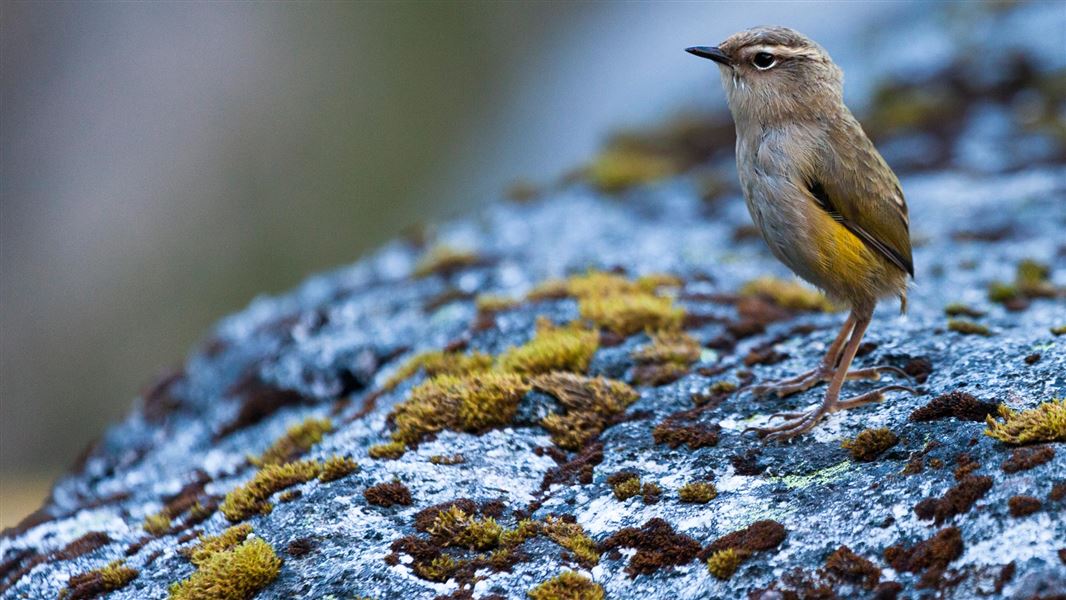
Te Manahuna Aoraki is a 310,000 hectare project, centred on the McKenzie Basin between Lake Pukaki and Lake Takapō (Tekapo). This area provides a stronghold for many threatened native species such as kea, tuke/rock wren, ngutu parore/wrybill, Mackenzie skink and robust grasshopper, and the world’s rarest wading bird, kaki/black stilt.

Possums, stoats, ferrets, feral cats, rabbits, hares, hedgehogs, weasels and Norway rats will be eliminated to protect these species.

Launched: 1 May 2018
Project lead: Simone Smits, Zero Invasive Predators
Māori partners: Ngāi Tahu
Collaborators: LINZ, Department of Conservation, NZ Defence Force, ECan

Te Manahuna Aoraki Project

Predator Free Chathams

The Chatham Islands are unique, fertile islands surrounded by productive seas, with wildlife found nowhere else in the world.

Following consultation with landowners and the local community on main Chatham (Rēkohu/Wharekauri), the north-east sector of the island has been chosen as the first step towards eradicating possums, feral cats and rats from the entire island.

Launched: 1 March 2020
Project lead: Chatham Islands Landscape Restoration Group
Māori and Moriori partners: Ngāti Mutunga o Wharekauri Iwi Trust and Hokotehi Moriori Trust
Collaborators: Chatham Islands Regional Council, Department of Conservation and Chatham Island Enterprise Trust.

Chatham Island Landscape Restoration Trust website

Predator Free Rakiura (Stewart Island/Rakiura)

Predator Free Rakiura aims to permanently remove rats, possums, feral cats and hedgehogs from the island. This will improve habitats for native wildlife and enable many species to return and recover. 

It is the largest, most complex predator eradication project ever attempted on an inhabited island. It will provide critical knowledge and momentum for other eradication projects as New Zealand works towards becoming predator free by 2050.

Predator Free Rakiura 

Predator Free Maukahuka (Auckland Island)

Auckland Island is a nature reserve and World Heritage Site that is home to 500+ native plants and animals, including over 100 found nowhere else in the world.

However introduced pests – feral pigs, feral cats, and mice – have inflicted severe harm. 32 bird species are no longer found on the island while plants and forests have been devastated and stunted.

The Maukahuka project aims to eradicate these three types of pests from the island.

Restoring Auckland Island - the Maukahuka project