Talk to your Predator Free Ranger for advice.

A volunteer replaces the lure in a DOC-200 trap
Image: Lauren Schaer ©
Examples of site-specific factors
Risks to non-target species (native and domestic)
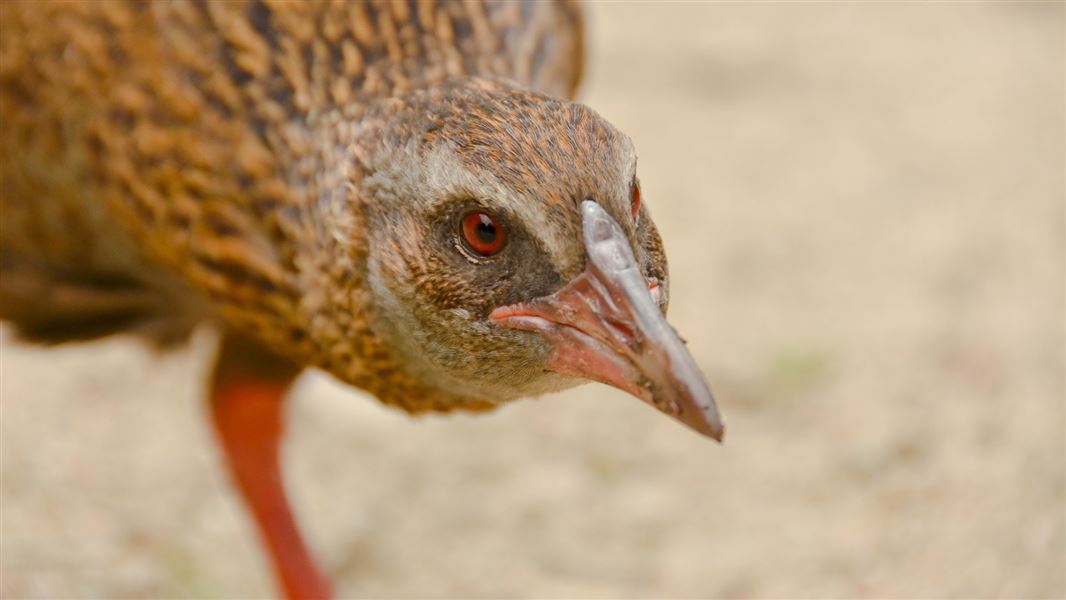
- Are there ground-dwelling birds present? Set bait stations and traps above ground level.
- Is the site situated next to an urban area or near where domestic pets are present. You will need to limit the risk of domestic animals encountering bait or traps. This may include replacing kill traps with cage traps if targeting feral cats. Consider positioning traps so they are not visible from recognised walking routes and are set more than 50 m from huts, picnic areas, or permanent campsites.
- What potential non target risks are present? Talk to your local DOC office about non target risks before starting your control project.
Time of year
- Is there an abundance of naturally occurring feed? Consider the effect on bait uptake or reschedule your operation.
- Does your target pest species behave differently with the seasons? Consider operating when they’re easiest to target.
Density of target pests
- Are rat densities high? Use a toxin or self-resetting traps instead of single-trigger traps.
- Do you have a good baiting strategy? Don’t skimp, but don’t waste bait through too-short baiting intervals.
Presence of multiple pest species
- Do you have more than one pest species present? Consider which to target first or find methods to target multiple pests.
Public accessibility of the site
- Does your plan pose a risk to the public’s health and safety? Plan to limit it.
- Is there a risk of people interfering with traps or bait stations? Put safeguards in place.
Skill level of the people involved
- Are group members competent and aware of the risks? Get relevant training and use best practice to avoid making pests bait- or trap-shy or causing suffering.
Potential for re-invasion from the surrounding area
- Is your site small or skinny, or surrounded by pest-dense areas? Take steps to protect borders.