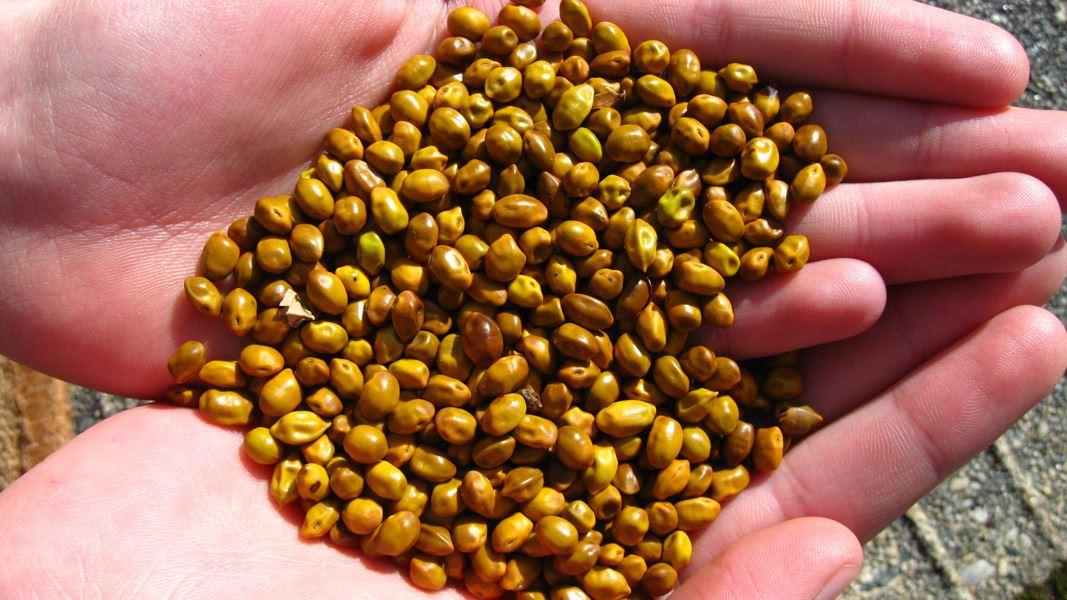
What is eco-sourcing?
Eco-sourcing means collecting seeds or cuttings from nearby, similar ecosystems to grow native plants for restoration projects. It helps make sure the plants are suited to the local environment and supports long-term success.
Eco-sourcing is used mainly for native restoration planting, not for gardens, research, or educational projects.
It maximises the chance of successful restoration. Benefits include:
- better survival: Plants from similar conditions (soil, climate, etc.) are more likely to thrive.
- genetic diversity: Using material from many parent plants helps build strong, resilient populations.
- protects evolution: Keeps natural gene flow and helps species adapt over time.
- avoids mistakes: Some plant populations may look similar but are genetically different. Expert advice may be needed.
- reduces risk: Using local sources lowers the chance of spreading pests and diseases.
- supports local efforts: Encourages community involvement and respect for native species.
Where to collect plants
Use the Ecological District and Region framework as a guide - view these areas on an online map. Tick Ecological Districts or Ecological Regions on the left hand navigation of the map. These areas are based on climate, geology, and ecosystems.
Choose sources that match the habitat of your restoration site. If the site is near a district boundary or lacks suitable habitat, nearby districts or similar ecosystems may be used.
Special situations
Get expert advice if you're working with:
- threatened species or ecosystems
- species close to extinction
- areas where there is no knowledge of previous ecosystems
- species with wide natural ranges and lots of genetic mixing.
Also, always check with local iwi or hapū before moving plants between places. Some plants are considered taonga (treasures) and have special meaning.
How to choose and select plants
- Only use plants that are known to naturally occur in or near the area and from the closest source possible.
- Collect seeds or cuttings from naturally occurring areas, not planted sites
- Try to collect from at least 50 different individuals but take only a small amount (less than 10%) from each.
- Get permission if collecting from public conservation land. See Research and collection permits.
Buying eco-sourced plants
Buy from nurseries that grow native plants using eco-sourcing methods. Make sure they follow the same guidelines above for sourcing their plant material.
Where to collect seeds
Before collecting seeds, check with the landowner. you will need to apply for a permit from DOC if planning to collect from public conservation land. See Research and collection permits.
The best place to collect seed is along forest margins where more flowers and seed are produced. Also collect along roadsides, tracks and stream edges. Avoid collecting from areas that have been planted, or where there is likely to be cross-pollination from nearby garden plants.
The way seed is dispersed has an impact on the distribution and natural variability.
- Species that are wind-pollinated (eg podocarps, beech and grasses) have the least geographic difference.
- Species that are bird or insect pollinated (or dispersed) are variable across different climates, landforms and soils. They should be collected as close to the planting site as possible.
- Seeds of threatened species should only be collected from the same population to where you want to plant – unless you want to secure and increase genetic diversity from nearby populations that once were contiguous.
When to collect seeds
The main collection period is late summer and autumn. Seed is ready to collect when it is ripe. This varies from plant to plant, but seed will either fall or change colour.
The time it takes for seed to ripen depends on the plant, locality and the year. Seed ripeness can vary by one or two months from year to year. You may need to check plants several times over the period when seed fall is expected.
How to collect seeds
Collect a little seed off a lot of plants of the same species. This ensures a broader range of genetic material. Never collect all the seed – some should be left for natural regeneration.
Collect only undamaged seed – watch out for insects or rodent damage. You can collect more than once in a season so you have a range of both early and late fruiting specimens.
Small plants
- Collect carefully – try not to damage the plant.
- Remove ripe seeds individually or cut off clusters or small branchlets.
Large trees
- Collect seed off the ground during seed fall.
- You may be able to tether shadecloth near the ground and collect seeds that fall into it. This can be used for any large tree with seed that falls straight to the ground, eg kauri, totara, kahikatea, rimu and tawa.
- You may need long-reach pruners to reach the seed.
Collection and propagation guides
Find when and how to collect seeds and propagate some common native plants and trees:
- Collect seeds and propagategrasses, sedges, lilies, flaxes, epiphytes and climbers
- Collect seeds and propagate native trees and shrubs: Conservation activities
- Storing and growing seeds - learn how to treat, store, sow and pot our ecosourced seeds.