Taonga are at a tipping point
More than 4,000 of our native species are under threat. A higher proportion are facing extinction than anywhere else in the world.
Kiwi, the national icon. Kākāpō, the world’s only flightless parrot. Kauri, the giant of the ngahere. Māui dolphin, the smallest on the planet.
So, what’s going wrong for nature?
- Introduced predators and pests are killing native birds, striping forests and crowding out native plants and freshwater species.
- How we use land and water is reducing and fragmenting ecosystems, making it harder for species to move, survive and thrive.
- Overuse means we’re taking more from nature than it can replace.
- Pollution is degrading ecosystems on land and in the ocean, harming wildlife along the way.
- Climate change is shifting where species can live and the food they rely on.
WHAT WE RISK LOSING
FOREVER
Extinction doesn’t take place in some distant future. Without action, it will happen in our lifetime.
These are just some of the 4,000 native species whose survival is at a tipping point. Once they’re gone, they’re gone for good.
Just 31% of native species are not threatened
They will only stay safe from extinction if we all continue to manage the threats they face.
Without ongoing support, brown kiwi would be extinct in the wild within two generations.
It’s not too late to save what makes us special
The good news is, you don’t have to imagine a future where your grandchildren never meet a kiwi. There’s another way.
When people control rats and stoats, bird numbers climb. When they protect waterways, freshwater species thrive. When they remove possums, deer and goats, forests regenerate.
New Zealanders have pulled many species back from the brink. Our country’s conservation expertise is proven and world leading.

When people act, nature responds
Takahē are an icon of New Zealand conservation. They were once thought to be extinct. You can now see them in the wild.
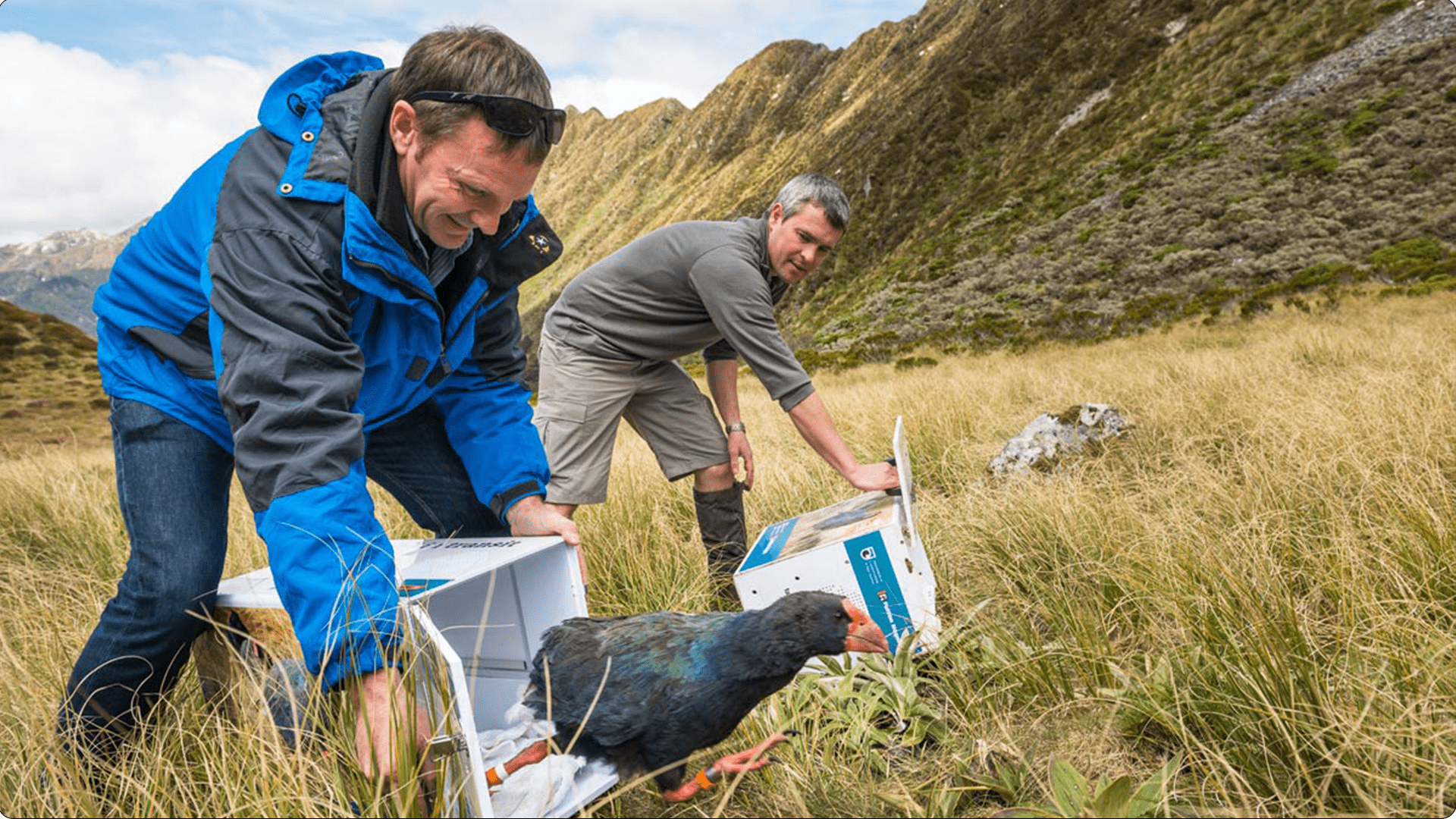
Image: © OneShot / Robert Brown
DOING THE
GOOD MAHI
All around New Zealand, people like you are bringing nature back. Here are some of them.
DO YOUR BIT
FOR NATURE
Not sure how to take meaningful action to help nature? We’ve made it easy for you to find small ways to make a big difference.
GET NATURING IDEAS STRAIGHT TO YOUR INBOX