Effectiveness
Night setting can reduce seabird captures by 40% to 80%.
This depends on the types of seabirds in the area and how much moonlight there is. Some seabirds are active at night, and seabird captures increase over full moon periods. Using additional practices such as line weighting and a bird scaring line helps to address this weakness of night setting. The science measuring effectiveness of night setting is very good.
Effect on fish catch
Depends on what types of fish are being targeted and how deep the hooks are set compared to where the fish are.
How night setting works
Most types of seabirds are less active at night. Setting lines when it’s dark can mean birds are less likely to find baits and become hooked.
Recommended minimum specifications
Many seabirds feed at dawn and dusk. To be effective, line setting needs to begin after nautical dusk and end before nautical dawn.
Suncalc is an online tool that has information about sunrise and sunset timings around the world.
Case study
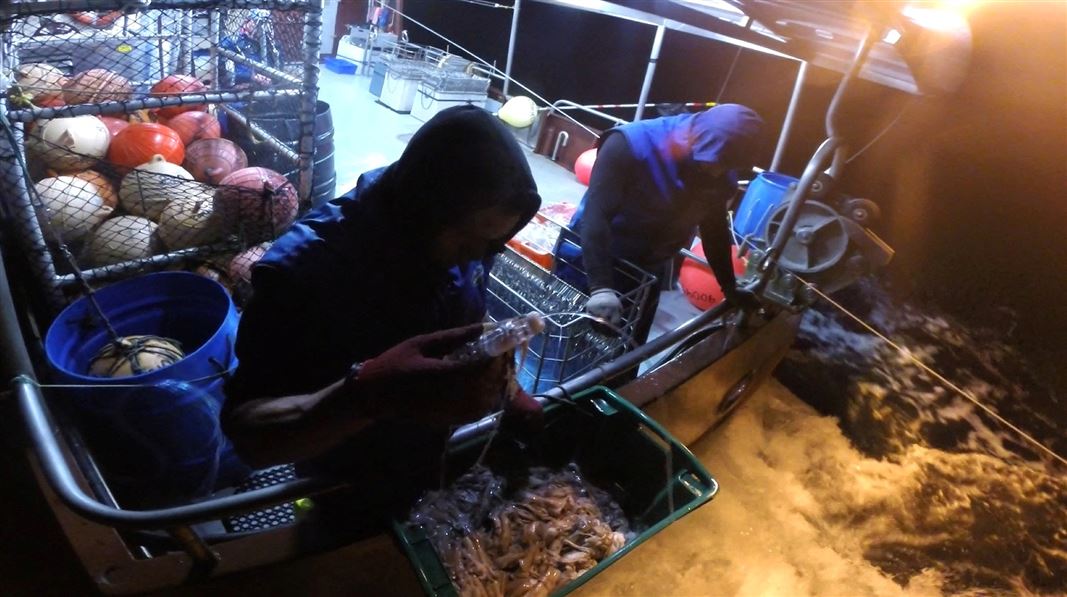
Fishers in the Hawaiian swordfish fishery set their lines at night. They begin setting one hour after sunset and finish after midnight. The fishery carries out shallow sets which target swordfish when they come closer to the surface. Night setting has been shown to be very effective in reducing seabird captures in this fishery.