
New Zealand has 110 species of lizard and none of them are found anywhere else in the world.
With a few small changes, your garden could attract some of the geckos or skinks common to your area. Make a sunny spot in your backyard a lizard lounge by following the steps below.
What you will need
- Some found materials like old concrete, stones, bricks, dead wood or corrugated metal (make sure you have permission to use them!)
- A native plant or two
- A quiet, dry area of your garden that gets decent sunlight
Step one
Start searching for the perfect spot for your lizard lounge. Prime locations include warm, dry and sunny areas.
In the chosen area of your garden, plant your native flora.
When choosing plants, look for tussocks, grasses and plants with branches that tangle up to make for great hiding spots. Your local plant nursery should have a good range to choose from.
Step two
Lizards need safe shelter to thrive.
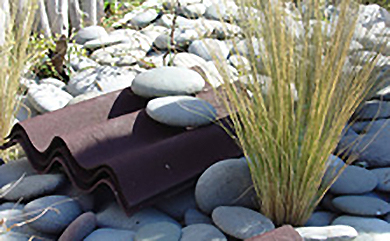
An example of a homemade lizard habitat using corrugated iron, stones and tussock grass
Stack your materials loosely, allowing for plenty of cracks and holes to build a cosy lizard home. Lizards like to squeeze their body into holes no more than 5-19 mm wide. Hopefully some spiders, slaters or beetles will take up residence too, as they make tasty lizard treats.
Top tip: If you smear a bit of yogurt or milk onto your new shelter, you may have some lichen or moss grow in a few week's time!
Step three
Wait until you have a new tenant.
Keep your eyes peeled for a lizard basking in the sun, they're cold-blooded animals (also known as an ectotherm) and rely on environmental temperature to keep their body warm.
If you have other pets that might disturb the area, you can put some netting across it to keep it safe.
Step four
Sit back and relax!
Lizards don't like to be disturbed once they've made a home, so try not to move habitat around once it's up and running. It can also be tempting to give your scaly friend a pat when it moves in, but it's best to give them personal space and watch from a distance. Instead, you can take pictures, leave a small dish of water nearby or some berries to show you care.
Tino pai
By building a special habitat in your garden for lizards you give them shelter from their biggest threats: predation and habitat destruction. Thanks for making a difference!
More about planting for lizards
Plant thickly is the rule. Lizards need safe habitats to run to when cats are on the prowl. That means thick ground-cover, vines and dense plant growth on banks.
Berry or nectar producing plant species are good, especially native divaricating shrubs, and if you have a range of plants the lizards will have plenty to eat, all year round.
Coprosma species and kawakawa provide fruit and flax, while mānuka and rātā give nectar.
Ferns, tussock grasses and rengarenga provide thick ground cover and attract insects for the lizards to eat. Plants like speargrass and the shrubby tororaro offer protection from predators.
Vines like New Zealand clematis and climbing rata connect habitats, and cabbage trees form in clumps for good cover.
A local nursery should have a range of plants native to your area and if you grow organically or limit the sprays you use, your lizards will do very well indeed.
Lizards are protected
All native lizard species are protected by the Wildlife Act and may not be captured, collected or deliberately disturbed without a permit issued by DOC. Generally lizards may only be kept in captivity or collected for scientific, educational or advocacy purposes.
Getting to know the habits of these secretive critters in your own lizard-friendly backyard is a far more rewarding alternative.